
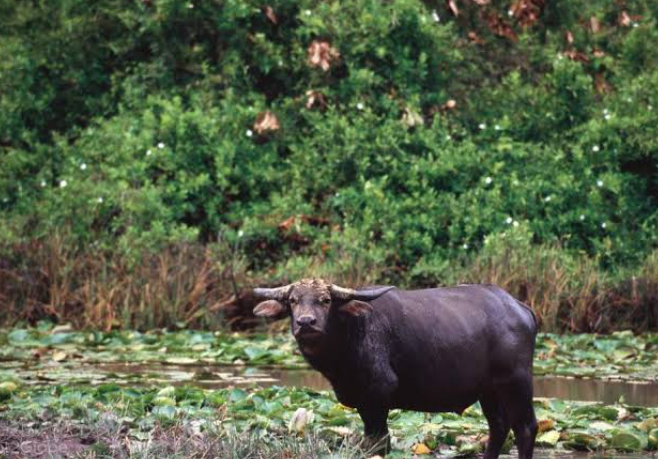
Marajó Island, the world’s largest tropical island surrounded by freshwater, hosts a unique buffalo grazing ecosystem that intertwines with its expansive wetlands. Understanding this environment offers insights into sustainable practices and local wildlife preservation.
1. The Buffalo Grazing Ecosystem
The buffaloes of Marajó Island are not just livestock; they are integral to the island’s ecosystem. These animals help maintain the grasslands and wetlands by grazing on vegetation. This activity promotes biodiversity by allowing various plants and animals to thrive alongside the grazing areas. With their roots firmly set in the local culture, these buffaloes are also pivotal in supporting the economy of many farmers on the island.
In addition, buffalo grazing plays a vital role in nutrient cycling within the ecosystem. As these animals feed, they also contribute to soil health through their manure, which enriches the land. The unique relationship between the buffaloes and the wetlands is delicate; too much or too little grazing can disrupt the natural balance, leading to either overgrowth of vegetation or soil depletion.
-
- Monitor grazing patterns to ensure balance.
-
- Encourage rotational grazing to prevent overgrazing.
-
- Integrate local knowledge in grazing practices.
-
- Support policies that promote sustainable buffalo farming.
-
- Plant diverse vegetation to create layers in the ecosystem.
2. Importance of Wetlands
Wetlands are a crucial component of Marajó Island’s biodiversity. They act as natural water filters, absorbing excess nutrients and contaminants while providing habitat for an array of wildlife, including fish, birds, and reptiles. The wetlands also store carbon, which is essential for combatting climate change. Moreover, these ecosystems help regulate the water cycle, preventing floods during rainy seasons and supporting agriculture in drier months.
Preserving the wetlands is not just about conserving wildlife; it directly impacts local communities. Many residents rely on wetland resources for fishing, agriculture, and even tourism. As global attention turns to climate change, these wetlands provide essential ecosystem services that can make communities more resilient. However, pressures from agricultural development and climate change threaten this delicate system, making protection and sustainable management paramount.
-
- Advocate for the protection of wetland areas.
-
- Participate in or support local conservation programs.
-
- Educate others about the importance of wetlands.
-
- Monitor the health of local wetland ecosystems.
-
- Engage in responsible fishing and farming practices.
3. Strategies for Sustainable Management
To ensure that the buffalo grazing ecosystem and wetlands on Marajó Island remain functional and resilient, sustainable management strategies are essential. Integrating traditional farming practices with modern scientific approaches can bolster the health of both the livestock and the ecosystem. For instance, planting native plants alongside grazing areas helps maintain the ecological balance while also providing food for the buffaloes.
Moreover, educating the local community about sustainable practices is vital. Workshops and collaborative meetings can help share knowledge and promote the adoption of sustainable methods. Additionally, engaging with organizations focused on conservation can bring in expertise and resources necessary for creating effective management plans that benefit both the ecosystem and the local communities.
-
- Encourage collaboration between farmers, scientists, and conservationists.
-
- Implement educational programs for local residents.
-
- Research best practices for managing buffalo and wetland health.
-
- Regularly assess the ecological impact of grazing practices.
-
- Foster community-led initiatives for conservation.
In conclusion, the interplay between buffalo grazing and the wetlands of Marajó Island is a vivid example of ecological balance and community reliance. By promoting sustainable practices and fostering awareness, we can ensure that this unique ecosystem thrives for generations to come. Consider getting involved in conservation efforts or supporting local sustainability initiatives to make a positive impact.