
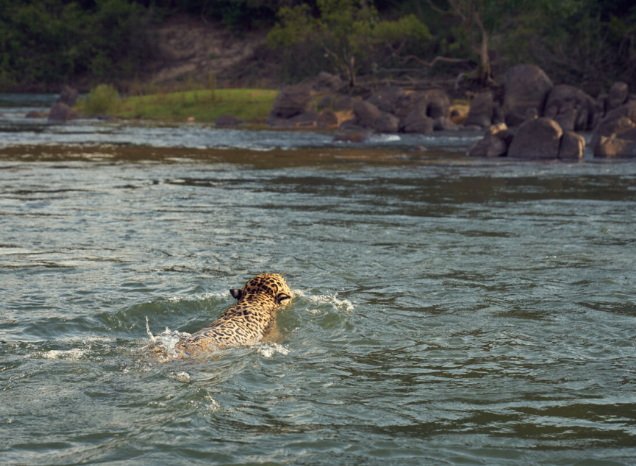
The Xingu River, located in Brazil, is a stunning showcase of biodiversity and a crucial component of the rainforest ecosystem. This river teems with life, providing habitat for countless species while playing a vital role in the health of the Amazon rainforest.
1. Unique Flora of the Xingu River
The Xingu River hosts an astonishing variety of plant life, which plays a critical role in maintaining the ecosystem. From towering trees to floating aquatic plants, the flora forms a complex web that sustains various animal species. Notable plant species, such as the Brazil nut tree and several varieties of palm trees, provide food and shelter for wildlife.
Aquatic plants, like water lilies and aquatic grasses, not only enhance the river’s beauty but also improve water quality. They help filter pollutants and provide oxygen, which is essential for fish and other aquatic life. Protecting these plants is crucial for preserving the health of the entire ecosystem.
-
- Support conservation efforts to protect endemic trees.
-
- Be aware of eco-friendly gardening practices that can help replicate local flora.
-
- Participate in programs that plant trees along riverbanks.
-
- Educate others about the importance of riparian vegetation.
2. Aquatic Life: Diversity and Challenges
The Xingu River is home to an impressive array of fish and other aquatic organisms. Species such as the Arapaima gigas, a massive freshwater fish, are iconic to the area. The abundance of these fish species provides food for local communities and supports the biodiversity of the river ecosystem.
However, the aquatic life in the Xingu is facing grave challenges from various human activities, including dam construction and pollution. These factors can threaten the delicate balance of the river’s ecosystem, affecting not only the fish but also the birds, mammals, and reptiles that depend on these resources for survival.
-
- Support sustainable fishing practices.
-
- Reduce single-use plastics to help prevent water pollution.
-
- Advocate for responsible tourism that respects the environment.
-
- Engage with local communities to raise awareness about aquatic biodiversity.
3. The Importance of Indigenous Knowledge
Indigenous communities living along the Xingu River have been custodians of its biodiversity for generations. Their knowledge of local ecosystems is invaluable in understanding the relationships between species and their habitats. This traditional ecological knowledge can inform modern conservation efforts and environmental management.
Collaboration with indigenous peoples not only helps preserve biodiversity but also promotes cultural heritage. Engaging these communities fosters a deeper understanding of sustainable practices that have been successful for centuries, offering solutions to modern environmental challenges.
-
- Participate in initiatives that support indigenous rights.
-
- Learn about traditional ecological practices from local tribes.
-
- Promote indigenous-led conservation projects.
-
- Attend educational workshops to understand cultural connections to nature.
In conclusion, the Xingu River is not just a waterway; it is a lifeblood for countless species and local communities. Each of us can contribute to the preservation of this vital ecosystem by educating ourselves, supporting indigenous communities, and participating in conservation initiatives. Let’s take action together to protect this natural wonder for future generations!