
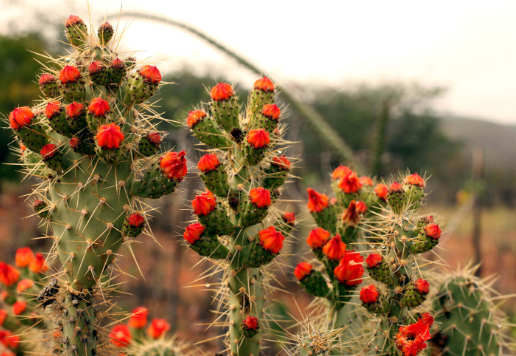
The Caatinga biome, unique to Brazil, showcases incredible resilience against harsh drought conditions. This arid landscape is teeming with distinct plants and wildlife that have developed specialized adaptations to thrive where water is scarce.
1. Resilient Flora: Drought-Adapted Plants
Plants in the Caatinga biome have evolved remarkable adaptations to survive prolonged droughts. For instance, the cacti like the *Cereus jamacaru* can store water in their thick stems, while their spines reduce moisture loss by limiting airflow around the plant. Additionally, many local species exhibit a phenomenon called “crassulacean acid metabolism” (CAM), allowing them to open their stomata at night, which helps to minimize water loss during the scorching daytime temperatures.
Another notable example is the *Jatobá* tree, known for its deep root system that reaches underground water sources. This adaptation not only supports the tree during dry spells but also enables it to thrive in nutrient-poor soils typical of the Caatinga. These plants serve as a vital resource, providing food and shelter for various animal species in this ecosystem.
-
- Identify native drought-resistant plants for landscaping.
-
- Choose species that can utilize rainwater efficiently.
-
- Group plants with similar water needs together.
-
- Consider creating a rain garden to capture runoff.
2. Adapting Fauna: Wildlife Strategies for Survival
Wildlife in the Caatinga has also developed unique survival strategies in response to the challenging environment. Many species, including the *Caatinga horned frog* and the *armadillo lizard*, have adapted to remain dormant during the driest months. This state of inactivity conserves energy and water, allowing them to come back to life when the rains eventually return, even after extended periods of drought.
Other animals have evolved behavioral adaptations as well. For example, the *Caatinga parakeet* has a nomadic lifestyle, migrating to areas where water is available. This flexibility ensures that the species can find food and hydration in various parts of its range, maximizing its chances of survival during dry seasons. Such adaptations not only enhance individual survival but also maintain the overall balance within the biome’s ecosystem.
-
- Observe animal behavior for signs of adaptation to dryness.
-
- Support wildlife conservation efforts to protect these unique species.
-
- Participate in local conservation initiatives to maintain biodiversity.
-
- Reduce littering and pollution to safeguard habitats.
3. The Role of Microclimates in Drought Adaptation
Microclimates within the Caatinga biome significantly influence both plant and animal survival. Areas with rock formations, shaded valleys, or denser vegetation can create pockets of higher humidity and lower temperatures. These features provide refuge for vulnerable species during extreme heat or drought conditions, allowing them to thrive where they otherwise might struggle.
For example, many small mammals and birds seek refuge in these cooler, more humid microclimates, which help them conserve water and energy. These areas can also support more diverse plant life, which in turn attracts a wider range of wildlife, reinforcing the complex interdependencies that exist in the Caatinga ecosystem.
-
- Explore natural features in your area that create microclimates.
-
- In gardening, consider how shade can benefit drought-tolerant plants.
-
- Support efforts to maintain key microhabitats in ecosystems.
-
- Educate others about the importance of habitat diversity.
In conclusion, the Caatinga biome stands as a testament to nature’s ingenuity, with both flora and fauna adapting remarkably to conditions of extreme drought. Understanding these adaptations can deepen our appreciation for this unique environment and inspire conservation efforts. Whether you’re exploring local gardens or engaging in wildlife protection, every action counts towards preserving this incredible ecosystem.