
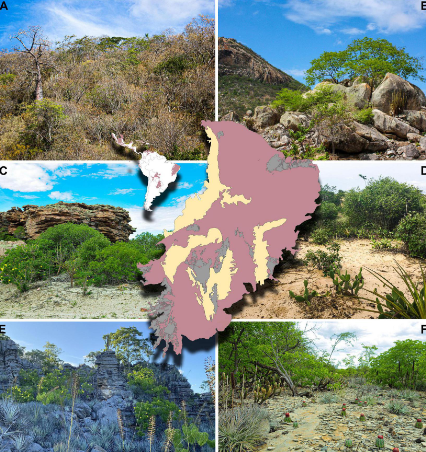
The Caatinga biome in Brazil showcases a unique blend of seasonal rivers and dry landscape dynamics. This semi-arid region is characterized by its distinctive flora, fauna, and hydrology, which change dramatically with the seasons. Understanding these dynamics is essential for both environmental conservation and local livelihoods.
1. Understanding the Hydrology of Caatinga Seasonal Rivers
The seasonal rivers of the Caatinga play a crucial role in the area’s ecology and economy. These rivers typically experience distinct wet and dry seasons, heavily influenced by the region’s climatic conditions. During the rainy season, rivers swell, facilitating water flow that supports both terrestrial and aquatic ecosystems. Conversely, during the dry months, many rivers reduce to mere trickles or even dry up entirely, profoundly impacting the flora and fauna that rely on these water sources.
Local communities have adapted their agriculture and livelihoods to these seasonal changes. For instance, farmers often time their planting to coincide with the rainy season, harnessing the floods to support crops. This seasonal rhythm influences local food supplies and economic stability, highlighting the importance of understanding hydrological patterns for sustainable development.
-
- Research seasonal patterns before planning agricultural activities.
-
- Monitor river flows during the wet season for effective irrigation.
-
- Engage with local communities to understand their adaptive strategies.
-
- Consider conservation measures to protect river ecosystems.
2. The Biodiversity of the Dry Landscape
The dry landscape of the Caatinga is home to an array of specialized plant and animal species uniquely adapted to survive in arid conditions. Cactaceae, or cactus plants, thrive here, storing water during the rainy season for use during dry months. Similarly, various species of lizards and snakes have adapted their behaviors and physiology to endure high temperatures and scarce resources, showcasing nature’s resilience and adaptability.
This biodiversity is crucial for maintaining ecological balance. Annual flowering patterns and seed dispersal events heavily depend on the seasonal flow of rivers, making the interplay between water availability and biodiversity a critical area of study. Efforts to conserve these species not only protect their habitat but also support the local economy through ecotourism and sustainable agricultural practices.
-
- Participate in local conservation programs to protect biodiversity.
-
- Learn about native plant species and their uses for drought tolerance.
-
- Encourage ecotourism initiatives that promote biodiversity awareness.
-
- Collaborate with researchers focusing on the Caatinga’s unique ecosystems.
3. Climate Change and Its Impact on Caatinga Dynamics
Local communities face challenges in food security and water availability as climate change progresses. This necessitates a need for adaptive management strategies based on scientific research and community engagement. For example, the promotion of drought-resistant crops and sustainable practices can help mitigate some effects of climate-related changes, ensuring that both people and nature can thrive.
- Stay informed about climate change impacts in the region.
- Support initiatives that promote sustainable agriculture practices.
- Engage in dialogue with local scientists and policymakers.
- Advocate for renewable energy sources to reduce carbon footprints.
In conclusion, the Caatinga’s seasonal rivers and dry landscapes are dynamic systems reflecting the intricate balance between water availability and ecological diversity. Understanding these dynamics is crucial for fostering sustainable practices and protecting this unique environment. Engage with your local community or consult experts to learn more about how you can contribute to the preservation of this essential biome.