
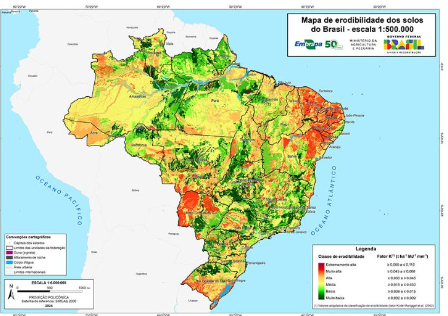
Brazil, known for its vast ecosystems and rich biodiversity, showcases an impressive variety of soils across its regions. This diversity plays a crucial role in agricultural practices, impacting crop yields and sustainability. Understanding the types of soil found in Brazil can help farmers and agronomists optimize practices for better outcomes.
1. Northern Brazil: The Amazon Rainforest Soils
The Amazon Basin in Northern Brazil is characterized by its unique and diverse soil types, primarily classified as Oxisols and Ultisols. These soils, however, often exhibit low nutrient availability, due to leaching from the abundant rainfall. Farmers usually face challenges when it comes to adapting to these soil conditions for agricultural production. Despite these difficulties, crops such as cassava and a variety of fruits are cultivated in this region.
While the challenges of cultivating in such soil types are considerable, certain practices can yield better results. Agroforestry, where crops and trees are grown together, helps improve soil health and increases crop diversification. Additionally, the introduction of organic matter can significantly enhance soil fertility over time. These practices not only improve agricultural output but also contribute to environmental conservation.
-
- Use cover crops to enhance soil structure.
-
- Incorporate organic fertilizers like compost.
-
- Practice crop rotation to prevent soil depletion.
-
- Implement agroforestry systems for improved biodiversity.
2. Central Brazil: The Cerrado Region
The Cerrado region in Central Brazil is notable for its extensive grasslands and savanna-like ecosystems. The soil types here, primarily Latosols, are Rich in iron and aluminum, presenting both opportunities and challenges for agriculture. The Cerrado has embraced modern techniques and has become a significant area for soybean and cotton production. However, soil compaction and nutrient depletion remain pressing issues that farmers must address.
To cultivate successfully in this region, a focus on sustainable practices is essential. Utilizing no-till farming techniques can help mitigate soil erosion and improve water retention. Farmers can also benefit from proper nutrient management, targeting specific deficiencies in their soil. Crop rotation with legumes is another effective way to enhance soil fertility and resilience.
-
- Adopt no-till farming to protect soil structure.
-
- Invest in soil testing to analyze nutrient needs.
-
- Practice crop rotation with nitrogen-fixing plants.
-
- Create contour farming systems to reduce erosion.
3. Southern Brazil: The Pampa Region
The Pampa region of Southern Brazil is renowned for its fertile soils, primarily classified as Mollisols. These soils are ideal for agriculture, supporting extensive grazing and crop production. The Pampa’s rich organic matter makes it suitable for cultivating a variety of crops, including maize, soybeans, and wheat. The favorable climate combined with fertile soil makes this one of Brazil’s agricultural powerhouses.
Farmers in the Pampa can capitalize on the soil’s fertility by implementing conservation practices. Rotational grazing can enhance soil health while reducing overgrazing impacts. Additionally, incorporation of cover crops can foster healthy soil ecosystems and improve nutrient cycling. Managing soil moisture is also critical in this region, especially during dry spells, to maximize crop yields.
-
- Implement rotational grazing to maintain soil health.
-
- Add cover crops to enhance soil fertility.
-
- Monitor soil moisture levels for optimal irrigation.
-
- Practice intercropping to increase biodiversity.
4. Northeastern Brazil: The Caatinga Region
The Caatinga region of Northeastern Brazil consists of primarily Aridisols and Entisols, which are generally arid and characterized by dry conditions. This unique environment supports drought-resistant crops such as sorghum and cacti. Despite the harsh conditions, traditional farming practices have developed to suit the landscape, often using techniques that conserve precious water resources.
Farmers in the Caatinga have adapted their practices to survive in this challenging climate. Rainwater harvesting is a common technique used to maximize water availability during dry spells. Native plants are often cultivated alongside traditional crops to preserve biodiversity and enrich the soil. Soil enrichment practices such as mulching can also help retain moisture and build organic matter.
-
- Utilize rainwater harvesting techniques.
-
- Plant native species alongside crops for biodiversity.
-
- Employ mulching to retain soil moisture.
-
- Adapt planting schedules to seasonal changes.
In conclusion, Brazil’s diverse soil types across its various regions present both challenges and opportunities for agriculture. By understanding these soils and implementing sustainable practices, farmers can successfully navigate the complexities of different environments. Whether you’re involved in agriculture or simply have an interest in soil health, consider consulting with professionals or local experts to optimize your approach.