
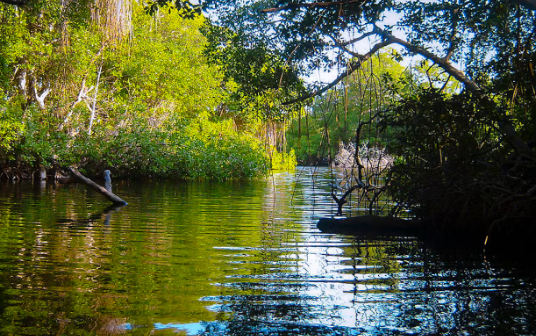
The Amazon mangrove delta is a captivating coastal ecosystem situated at the intersection of land and sea. Known for its rich biodiversity and unique flora and fauna, this transition zone plays a crucial role in the health of the broader environment. Exploring its complex interactions offers insights into both ecological significance and conservation challenges.
1. Understanding the Amazon Mangrove Delta
The Amazon mangrove delta, located in the northern regions of Brazil, is a vital ecosystem where freshwater from the Amazon River meets the salty waters of the Atlantic Ocean. This unique blending of environments creates intricate ecological niches that support a rich diversity of life. Mangroves, salt-tolerant trees, are the backbone of this ecosystem, providing habitats for numerous species, including fish, birds, and crustaceans.
Beyond their biological importance, mangroves also serve essential protective functions. They act as natural barriers against storm surges and erosion while sequestering carbon, thus helping to mitigate climate change. The dense root systems of these trees stabilize the coastline, ensuring a resilient buffer against extreme weather events.
-
- Research local mangrove species to understand their specific roles.
-
- Consider the ways these mangroves adapt to changing salinity levels.
-
- Learn about the diverse wildlife that depends on mangrove ecosystems.
-
- Investigate the impact of sedimentation and water quality on mangrove health.
2. Biodiversity of the Transition Zone
The Amazon mangrove delta is home to a vibrant array of species, each uniquely adapted to thrive in this transitional landscape. From the playful dolphins found in the river estuaries to the nesting grounds of migratory shorebirds, the delta is a biodiversity hotspot. It supports various fish species that rely on mangrove roots for shelter during their juvenile stages, ensuring healthy populations for local fisheries.
This rich diversity also reflects a complex web of interactions among species. Predators and prey coexist in a balanced ecosystem, with many animals depending on the mangroves for food and breeding grounds. The presence of species like the endangered green turtle highlights the ecological significance of the delta, showcasing the need for conservation efforts to preserve these critical habitats.
-
- Participate in local conservation projects to protect wildlife habitats.
-
- Observe seasonal migrations to appreciate biodiversity fluctuations.
-
- Document and share observations of local species.
-
- Support eco-tourism initiatives that educate visitors about local fauna.
3. Threats to the Ecosystem and Conservation Efforts
Despite its ecological significance, the Amazon mangrove delta faces numerous threats, including deforestation, pollution, and climate change. Urbanization and agricultural expansion are leading to habitat loss, disrupting the delicate balance of this ecosystem. Moreover, increased sedimentation and runoff from nearby land can degrade water quality, further stressing mangrove health.
In response to these challenges, various conservation initiatives aim to safeguard the delta’s biodiversity. Organizations are engaged in restoring mangrove areas, advocating for sustainable land use practices, and raising awareness about the importance of this unique ecosystem. Community involvement is vital to these efforts, making grassroots engagement essential for lasting change.
-
- Join local eco-groups that work toward mangrove restoration.
-
- Educate yourself and others about sustainable practices.
-
- Reduce plastic and chemical use to minimize pollution.
-
- Participate in clean-up efforts to remove litter from transition zones.
4. Cultural Importance of the Mangrove Delta
The Amazon mangrove delta also holds cultural significance for local communities, many of which rely on the delta’s resources for their livelihoods. Fishing, traditional practices, and eco-tourism are intertwined in the daily lives of these communities. The unique flora and fauna of the delta play a significant role in local traditions and spirituality, further connecting the people to this vibrant ecosystem.
Community engagement is critical for conservation efforts, as locals are often the most knowledgeable about the ecosystem and its changes. Sustainable practices rooted in traditional ecological knowledge can enhance efforts to protect the mangroves while promoting local culture and economy. Workshops and educational programs fostering a connection to the environment can empower communities and encourage stewardship of the delta.
-
- Attend cultural events celebrating local heritage related to mangroves.
-
- Support local artisans who create works inspired by the ecosystem.
-
- Engage in workshops that teach traditional fishing practices sustainably.
-
- Encourage community-led initiatives that enhance awareness and preservation.
The Amazon mangrove delta represents a vital intersection of ecological, cultural, and economic importance. By recognizing its value and participating in conservation efforts, individuals can contribute to the preservation of this unique ecosystem. Whether through community engagement or personal action, every effort counts in safeguarding the future of the Amazon mangrove delta.