
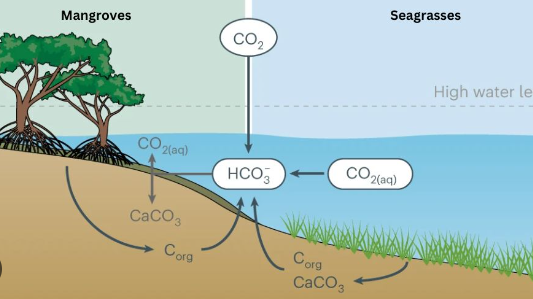
Brazil’s mangrove forests are not just remarkable ecosystems; they are also crucial players in the fight against climate change and the conservation of biodiversity. These unique environments, where saltwater and freshwater mix, provide a vital habitat for countless species and serve as significant carbon sinks. Understanding the importance of Brazil’s mangrove forests can inspire efforts to protect them.
1. The Role of Mangroves in Carbon Storage
Mangrove forests are unparalleled in their ability to sequester carbon. They can store up to four times more carbon per hectare than tropical forests due to their unique root structures and anoxic soil conditions. This allows them to trap carbon dioxide in the biomass of trees and in the rich, organic soil beneath them, which accumulates over centuries. A clear example can be seen in the Brazilian coast, where mangroves are not just helping to mitigate climate change but also supporting local economies through eco-tourism.
The carbon sequestration potential of mangroves is vital in the context of global warming. For instance, protecting and restoring 1 hectare of mangrove can sequester around 1,000 tons of carbon dioxide over its lifetime. This is not only beneficial for the environment but also has positive implications for climate policy and programs aimed at reducing greenhouse gases. Sustainable management of these areas can, therefore, provide both ecological and economic benefits.
-
- Support local initiatives aimed at protecting mangroves.
-
- Engage in carbon offset programs investing in mangrove restoration.
-
- Advocate for policy changes that protect mangrove habitats.
-
- Educate others about the importance of mangroves in climate adaptation and mitigation.
-
- Participate in community clean-up events aimed at mangrove areas.
2. Biodiversity Hotspots within the Mangroves
Biodiversity flourishes in mangrove forests, which serve as nurseries for many marine species. Fish, crustaceans, and even birds rely on mangroves as critical habitats. Species such as the Green turtle and various migratory birds thrive in these rich ecosystems. Notably, mangroves support fisheries in Brazil by providing a safe haven for juvenile fish, contributing to the livelihoods of local communities and enhancing food security.
The intricate root systems of mangroves also offer shelter and breeding grounds for numerous species and play a critical role in maintaining coastal water quality by filtering pollutants. Brazil’s abundant mangrove forests host a wide variety of flora and fauna, promoting ecological resilience. This biodiversity is essential not just for wildlife but also for human communities who depend on these ecosystems for various resources.
-
- Support research and initiatives aimed at monitoring biodiversity in mangrove areas.
-
- Participate in local conservation efforts that protect species living in mangroves.
-
- Advocate for sustainable fishing practices in mangrove regions.
-
- Educate your community about the species that inhabit these ecosystems.
-
- Encourage responsible ecotourism that respects local wildlife.
3. Threats to Mangrove Ecosystems and Their Resilience
Despite their importance, mangrove forests face significant threats from urban development, pollution, and climate change-induced sea level rise. Coastal communities often convert mangrove land for agriculture, housing, or industry, leading to habitat loss that can devastate local biodiversity. Furthermore, pollution from rivers and the ocean can significantly harm the fragile ecosystems, affecting not only the plant life but also the myriad species that rely on mangroves for survival.
While these threats are serious, mangrove ecosystems also exhibit remarkable resilience. Restoration projects around the world, including in Brazil, have successfully revitalized degraded mangrove areas. Local governments and NGOs often collaborate on replanting initiatives using native species to ensure that the recovery of the ecosystem is sustainable. This resilience is crucial because healthy mangroves can adapt to changing environmental conditions and continue to provide their essential services.
-
- Avoid purchasing products linked to mangrove destruction, like certain seafoods and wood products.
-
- Participate in restoration projects that aim to replant mangroves.
-
- Report illegal activities that damage mangrove ecosystems.
-
- Engage with local governments to promote policies protecting these habitats.
-
- Educate yourself about the signs of mangrove degradation for better advocacy.
Brazil’s mangrove forests play an indispensable role in carbon storage and support an incredible diversity of life. Protecting these ecosystems is not just about preserving the environment; it’s about enhancing community resilience and promoting sustainable livelihoods. Acting individually or collectively can contribute significantly towards the conservation of these vital areas and the services they provide. Consider reaching out to local conservation groups or starting your own initiatives to protect and restore mangroves in your area.