
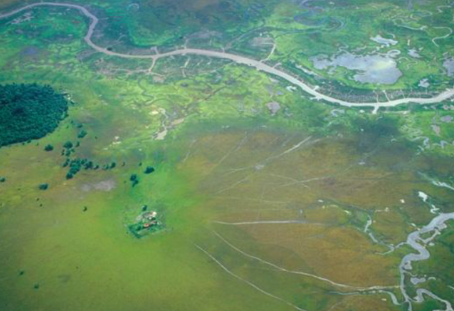
Marajó Island, located at the mouth of the Amazon River in Brazil, is a unique and intricate landscape where freshwater and saltwater meet. This dynamic interaction significantly influences the island’s ecology, economy, and lifestyle. Understanding the river-ocean interaction and tidal geography around Marajó Island can reveal a lot about its natural beauty and complexities.
1. River and Ocean Dynamics
The Amazon River is one of the largest rivers in the world, discharging a vast volume of freshwater into the Atlantic Ocean. The estuarine zone around Marajó Island is where this freshwater encounters the saltwater from the ocean. This mixing generates a brackish environment that supports a rich diversity of flora and fauna. Notably, the variation in salinity levels creates distinct habitats, forming ecosystems that are critical for numerous species including fish, crustaceans, and birds.
The interaction between river and ocean is not static; it varies with tidal cycles. For instance, during high tide, saltwater intrudes further inland, altering the salinity of the waterways on the island. Conversely, during low tide, the freshwater from the Amazon flows more dominantly, affecting the overall ecosystem. This dynamic is crucial for local fishing communities, who rely on the specific conditions for their catch, making it essential for them to monitor tides closely.
-
- Understand the basics of estuarine environments.
-
- Observe how seasonal changes affect tidal dynamics.
-
- Keep track of local fishing seasons aligned with tidal patterns.
-
- Learn about fish species that thrive in brackish waters.
2. Tidal Geography and Its Implications
The tidal geography around Marajó Island is characterized by unique features such as tidal flats, mangroves, and deltaic systems. These landscapes play a critical role in absorbing storm surges and protecting the island’s interior from erosion. Mangroves, in particular, are vital as they serve as breeding grounds for diverse marine life and act as natural barriers against strong waves and flooding.
Frequency and intensity of tides are influenced by the moon’s gravitational pull and climatic factors. For instance, spring tides, which occur around full and new moons, are much higher and lower than neap tides that occur midway between them. These variations can impact local agriculture, fishing practices, and even settlement patterns. Communities often adapt their farming and fishing routines based on tidal predictions, showing a deep connection with their environment.
-
- Study local topographic maps to understand tidal influences.
-
- Identify plants and animals that thrive in tidal areas.
-
- Participate in community discussions about sustainable land use.
-
- Document changes in local ecosystems over time.
3. Economic Activities Influenced by River-Ocean Interaction
The economy of Marajó Island is intrinsically linked to the intricate relationship between its rivers and ocean. Fishing, agriculture, and tourism are the mainstays, with tides playing a huge role in these sectors. Artisan fishing is particularly significant, as local fishermen often target specific species during optimal tidal conditions, ensuring sustainable practices while also providing fresh seafood to markets.
Agriculture on the island also depends on tidal geography. Rice, for instance, is commonly cultivated in areas where freshwater inundates fields in response to tidal changes. This practice is a brilliant example of how local communities harness natural cycles to enhance productivity. Additionally, eco-tourism is growing as more people recognize the unique ecosystem of Marajó Island, presenting opportunities for sustainable economic development.
-
- Engage with local fishermen to learn about sustainable fishing practices.
-
- Support local agricultural initiatives that respect tidal cycles.
-
- Participate in eco-tourism projects to promote conservation.
-
- Explore local markets for fresh and sustainable products.
The interaction between the Amazon River and the Atlantic Ocean around Marajó Island is a captivating study of nature’s complexity. Understanding this relationship is crucial for the sustainable future of the island’s ecosystems and local economies. Dive deeper into this interesting subject by exploring local resources, connecting with community initiatives, or even planning a visit to witness this unique environment firsthand.