
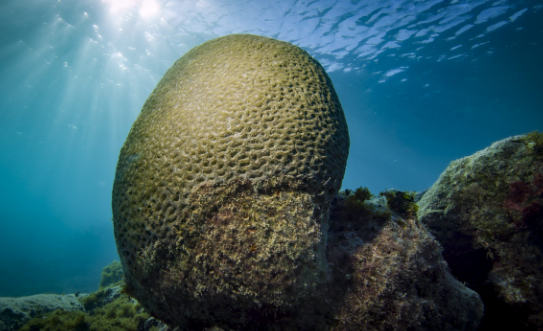
The Abrolhos Islands, located off the coast of Western Australia, are a unique ecosystem that boasts one of the world’s richest marine biodiversity. This extraordinary environment not only supports a wide variety of coral species but also plays a critical role in marine conservation efforts aimed at protecting and sustaining ocean life.
1. Rich Coral Biodiversity
The Abrolhos Islands are home to over 400 species of coral, making them a vital part of marine biodiversity. This diversity is attributed to the islands’ unique geographical location, where subtropical and tropical waters converge. Such a mix creates an environment ideal for various coral types, from branching forms like Acropora to massive ones like Porites.
This rich coral community is not just attractive; it supports countless marine species, including fish, mollusks, and crustaceans. The complex structures created by corals provide essential habitats that allow these species to thrive, promote reproductive success, and help maintain ecological balance. The health of coral reefs is often seen as an indicator of ocean health, and preserving them leads to broader marine conservation success.
-
- Explore local snorkeling or diving activities to observe coral diversity firsthand.
-
- Learn about various coral species and their roles in the ecosystem.
-
- Support organizations focused on coral research and conservation.
-
- Participate in local beach clean-ups to reduce pollution affecting corals.
2. Importance of Marine Conservation Zones
Marine conservation zones (MCZs) in the Abrolhos Islands play a pivotal role in preserving this ecological treasure. These designated areas are crucial for protecting marine species and their habitats from activities that can lead to degradation, such as overfishing and pollution. MCZs also serve as research zones where scientists can study the natural processes of marine ecosystems.
One notable MCZ in the Abrolhos includes the Houtman Abrolhos National Park, which aims to safeguard vital habitats and promote sustainable tourism. By limiting human activities in certain areas, these zones ensure that the biodiversity remains intact and can recover from stresses caused by climate change or human activity. Monitoring these zones helps manage fish stocks and protect nursery areas essential for juvenile marine life.
-
- Advocate for the establishment and enforcement of more marine conservation zones.
-
- Engage with local conservation groups to stay informed about MCZ initiatives.
-
- Respect rules and guidelines while visiting these areas to minimize your impact.
-
- Participate in citizen science projects that monitor marine health.
3. Challenges and Strategies for Conservation
Despite their ecological significance, the Abrolhos coral ecosystems face numerous challenges, including ocean warming, ocean acidification, and habitat destruction. These threats not only impact coral health but also disrupt the delicate balance of the entire marine ecosystem. As temperatures rise, coral bleaching events become more frequent, inhibiting the ability of corals to thrive and regenerate.
To combat these challenges, various strategies are in place, including habitat restoration projects and community engagement initiatives. For example, encouraging local residents and tourists to participate in sustainable fishing and marine practices can help alleviate pressure on coral reefs. Additionally, continuous research and monitoring are essential in understanding the impacts of climate change and identifying effective conservation measures.
-
- Stay informed about the impacts of climate change on marine ecosystems.
-
- Choose eco-friendly products and practices to minimize your carbon footprint.
-
- Get involved in local conservation efforts through volunteering.
-
- Educate yourself and others about sustainable marine practices.
The Abrolhos Islands represent a remarkable intersection of biodiversity and conservation. By being aware of the challenges they face and participating in conservation efforts, everyone can contribute to preserving this natural wonder. The ocean’s future depends on our collective actions, and each of us plays a vital role.