
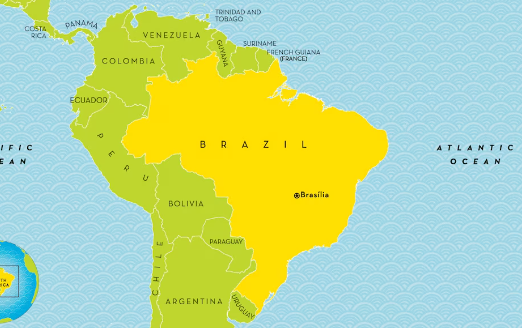
The coastline of Brazil is one of the longest in the world, stretching over 7,000 kilometers. Home to diverse ecosystems, this coastline plays a crucial role in the biodiversity of the region as well as in the economy, tourism, and culture of the country. In this blog post, we will explore the geography of Brazil’s coastline and delve into the coastal ecosystems that thrive along its shores.
1. Understanding the Length and Geography of Brazil’s Coastline
Brazil’s coastline is approximately 7,491 kilometers long, making it the 16th longest in the world. This extensive stretch of coast runs from the northern state of Amapá down to the southern state of Rio Grande do Sul. The geography of the coastline varies greatly, featuring white sandy beaches, rocky cliffs, and lush mangroves, which together contribute to its ecological richness. The changing landscape also dictates human activities along the shore, from urban developments to conservation efforts.
One of the most significant geographic features of the coastline is the presence of major bays, such as Guanabara Bay and All Saints Bay. These natural harbors not only provide refuge for marine life but also facilitate shipping and fishing industries essential to local economies. Numerous islands, including the famous Fernando de Noronha Archipelago, pepper the coastline, intensifying its beauty and importance.
-
- Explore coastal maps to identify key geographic features.
-
- Research the historical significance of various coastal locations.
-
- Discover major beaches for recreation and tourism opportunities.
-
- Learn about the challenges to coastal preservation.
2. Coastal Ecosystems: Biodiversity of Brazil’s Shores
The coastline of Brazil is richly endowed with a variety of ecosystems, including mangroves, coral reefs, and sandy beaches. These ecosystems are vital for the health of marine life and contribute to the overall biodiversity of the region. For instance, Brazil’s coral reefs support numerous fish species, while mangrove forests act as nurseries for fish, crabs, and shrimp, making them essential to the fishing industry.
In addition to supporting wildlife, these coastal ecosystems play a critical role in climate regulation. Mangroves, with their complex root systems, help stabilize shorelines and reduce the impact of storm surges. Moreover, these habitats sequester carbon, helping to mitigate climate change while providing essential services such as water purification and flood control.
-
- Participate in local conservation efforts focused on coastal ecosystems.
-
- Support businesses that promote sustainable tourism practices.
-
- Explore educational resources on marine biodiversity.
-
- Visit protected marine areas to observe ecosystems in their natural state.
3. Risks and Conservation Efforts along Brazil’s Coastline
As beautiful as it is, Brazil’s coastline faces several environmental threats, including pollution, overfishing, and climate change. Urban development often leads to habitat loss and degradation, affecting marine creatures that rely on these ecosystems. Furthermore, oil spills, garbage, and plastic waste significantly harm marine life and diminish the natural splendor of the beaches.
Conservation efforts are ongoing, as various NGOs and governmental bodies work towards protecting the coastal areas. Initiatives such as creating marine protected areas and enforcing stricter pollution regulations are essential for safeguarding these vital ecosystems. Local communities are also encouraged to engage in sustainable practices, ensuring the coastline remains vibrant for generations to come.
-
- Stay informed about local environmental issues affecting coastal areas.
-
- Reduce plastic use to help combat ocean pollution.
-
- Participate in beach clean-up events to help maintain local beauty.
-
- Advocate for policies that protect marine habitats.
In conclusion, Brazil’s coastline is not only a geographical treasure but also a vital ecological hub. By understanding its complexity and the challenges it faces, readers are encouraged to act responsibly and support initiatives geared towards preserving this beautiful stretch of land for future generations. Whether you’re a resident or a tourist, every effort counts towards maintaining the health and beauty of Brazil’s coastline.