
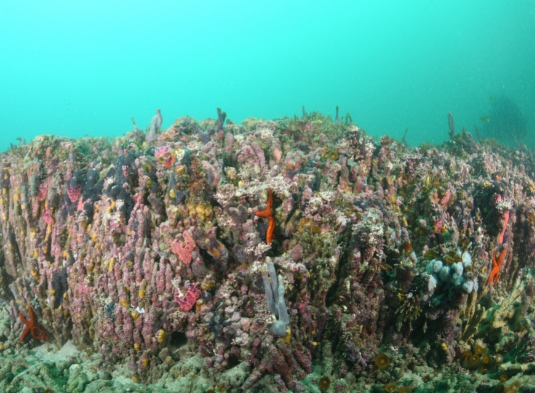
Brazil’s Atlantic coastline is a vibrant tapestry of life, teeming with diverse habitats, stunning coral reefs, and an array of marine species. These ecosystems play a crucial role in maintaining ecological balance, supporting local economies through fishing and tourism, and offering a window into the health of our oceans.
1. The Importance of Coral Reefs
Coral reefs along Brazil’s Atlantic coast are not just beautiful landscapes; they are essential ecosystems that provide shelter and food for countless marine organisms. These reefs act as nurseries for young fish, supporting both local fisheries and global biodiversity. The reefs also help to protect coastal areas from erosion and storm surges, which can devastate local communities.
Despite their importance, these coral reefs face numerous threats, including climate change, pollution, and overfishing. The rise in sea temperatures leads to coral bleaching, where corals expel their symbiotic algae, resulting in death if environmental conditions do not improve. Protecting these delicate ecosystems is critical for both marine wildlife and human livelihoods.
-
- Support sustainable fishing practices to avoid overexploitation of resources.
-
- Participate in local beach clean-ups to reduce pollution.
-
- Educate others about the importance of coral reefs and marine conservation.
-
- Visit marine protected areas to promote eco-tourism and sustainable practices.
2. Marine Biodiversity Hotspots
The Brazilian Atlantic coastline is home to remarkable marine biodiversity, ranging from colorful fish species to unique marine mammals. Regions like the Abrolhos Marine National Park are particularly noteworthy for their biodiversity, housing approximately 30% of all Brazilian marine species. The vibrant underwater gardens feature various corals, sponges, and anemones, attracting divers and marine enthusiasts from around the world.
Furthermore, this biodiversity is not just limited to visible creatures; it also includes a myriad of microorganisms that play vital roles in nutrient cycling and overall ecosystem functioning. Ongoing research continues to uncover new species, emphasizing the need for conservation efforts to protect these thriving marine hotspots.
-
- Engage in regular monitoring of marine species in local areas.
-
- Support research initiatives that focus on marine biodiversity.
-
- Learn to identify the species native to your area through local guides.
-
- Create awareness about the threats facing marine biodiversity.
3. Conservation Efforts and Challenges
Conservation efforts in Brazil’s coral reef ecosystems are crucial as they counterbalance the significant challenges posed by climate change and human activities. Organizations and local communities are actively working together to establish marine protected areas, enforce regulations against illegal fishing, and promote responsible diving practices. These efforts aim to ensure that both the biodiversity and the livelihoods dependent on these ecosystems are sustained for future generations.
However, challenges remain, including funding shortages and the need for wider public engagement. Initiatives like reef restoration and community-based conservation projects require ongoing support to expand their reach and effectiveness. Collaborative approaches involving governments, NGOs, and local stakeholders are essential to address these challenges comprehensively.
-
- Get involved with local conservation organizations to support marine efforts.
-
- Advocate for policies that strengthen marine and coastal conservation.
-
- Make conscious lifestyle choices that reduce your ecological footprint.
-
- Share your experiences with marine conservation on social media to raise awareness.
In conclusion, the coral reefs and marine biodiversity along Brazil’s Atlantic coastline are valuable assets that require our immediate attention and care. By getting involved and supporting conservation efforts, we can contribute to the health and sustainability of these vital ecosystems. Take the next step by engaging in local initiatives or learning more about how you can help protect marine life.