
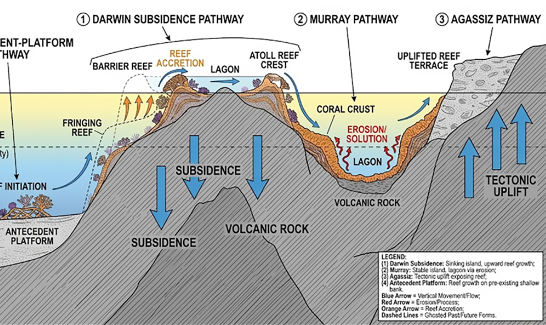
Brazil’s offshore islands are a fascinating blend of volcanic activity and coral formations, showcasing the country’s natural beauty and ecological diversity. This blog post dives deep into the geological and ecological aspects of these islands, providing valuable insights for researchers, nature lovers, and adventure seekers alike.
1. Understanding Volcanic Islands in Brazil
Brazil is home to several volcanic islands, notably the famous Fernando de Noronha archipelago. Characterized by dramatic landscapes and unique ecosystems, these islands were formed millions of years ago through volcanic eruptions. The isolated setting has allowed for the evolution of species that are not found anywhere else, making it a hotspot for biodiversity.
The volcanic activity that created these islands is still of interest today. Geologists study the composition of the rocks and the history of eruptions to understand the volcanic processes better. Techniques such as radiometric dating of the volcanic rock and mapping the underlying tectonic plates have provided critical data to scientists globally.
-
- Research the geological history of Brazil’s volcanic islands.
-
- Explore the unique flora and fauna endemic to these areas.
-
- Consider visiting Fernando de Noronha for firsthand experience.
-
- Stay updated on geological surveys and studies conducted in the region.
2. Coral Reefs: A Unique Ecosystem
In addition to volcanic formations, Brazil boasts some remarkable coral reefs, especially in areas like Abrolhos Marine National Park. These coral structures are vital for marine biodiversity, providing habitats for a diverse array of fish and other marine organisms. The vibrant ecosystems not only support wildlife but also contribute to local economies through tourism and fishing.
Coral reefs also face significant threats from climate change, pollution, and overfishing. Research initiatives concentrated in the region study these impacts and aim to create coral restoration programs to protect these invaluable ecosystems. Understanding the current state of coral reefs helps conservationists develop effective strategies for protecting and restoring these marine habitats.
-
- Participate in local conservation efforts focused on coral reef protection.
-
- Educate yourself about the threats facing coral ecosystems.
-
- Dive or snorkel in coral-rich areas to appreciate their importance.
-
- Advocate for sustainable fishing practices in coastal communities.
3. The Interplay Between Volcanic and Coral Ecosystems
The relationship between Brazil’s volcanic islands and coral formations is a testament to the interconnectedness of ecosystems. Volcanic activity enriches the surrounding waters with minerals essential for coral growth. The teeming marine life around these volcanic islands helps maintain ecological balance, feeding off both coral reefs and nutrient-rich waters.
This symbiotic relationship is critical for local fishing industries, which depend on healthy populations of fish and aquatic life. Scientists are increasingly studying these interactions to gauge how environmental changes impact both volcanic and coral ecosystems. This research is crucial for developing strategies aimed at preservation and rehabilitation.
-
- Monitor changes in water quality around volcanic islands.
-
- Support research initiatives focused on ecosystem interactions.
-
- Engage in community discussions about sustainability in these regions.
-
- Incorporate eco-friendly practices in tourism activities.
4. Conservation Efforts and Sustainable Tourism
As interest grows in Brazil’s volcanic islands and coral reefs, so does the need for conservation efforts. Various organizations work tirelessly to protect these natural wonders from the adverse effects of tourism and industrial activities. Sustainable tourism practices are encouraged to minimize environmental impact while still allowing visitors to appreciate the beauty of these islands.
Many initiatives focus on educating tourists about the ecological significance of the islands and promoting responsible behavior during visits. Such initiatives include guided tours emphasizing the importance of remaining in designated areas to prevent damage to coral reefs and other sensitive ecosystems. These efforts promote a culture of conservation among visitors.
-
- Choose eco-friendly tour operators for visiting these islands.
-
- Respect local guidelines and regulations while exploring.
-
- Participate in educational programs about marine conservation.
-
- Support local businesses committed to sustainability.
Brazil’s offshore islands present a rich tapestry of volcanic and coral formations that are not only stunning but vital to our planet’s ecological health. Engaging in these studies can inspire interest in conservation efforts and responsible tourism. Embrace the opportunity to learn more about these ecosystems and actively participate in their future protection.