
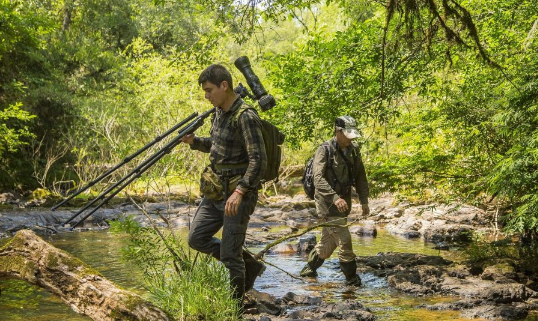
The Atlantic Forest, one of the most biodiverse ecosystems on Earth, is facing severe challenges due to fragmentation caused by urbanization, agriculture, and logging. This blog explores the implications of forest fragmentation while highlighting conservation restoration projects designed to mitigate its effects and restore this crucial ecosystem.
1. Understanding Atlantic Forest Fragmentation
Fragmentation of the Atlantic Forest occurs when large continuous areas are broken up into smaller patches, isolating wildlife populations and disrupting their habitats. This fragmentation often leads to a decline in biodiversity as species struggle to survive in disconnected environments. For example, species like the Golden Lion Tamarin, which relies on extensive tree cover, find it increasingly difficult to thrive as their habitats shrink and become isolated.
The implications of fragmentation extend beyond wildlife loss; they affect ecosystem services that humans rely on, such as clean water, climate regulation, and pollination. As these forests dwindle, the balance of local climates can shift, leading to droughts or flooding that impact agriculture and human settlements. This interconnectedness highlights the critical need for effective conservation strategies.
-
- Learn about local biodiversity to appreciate the species in your area.
-
- Participate in community awareness programs about forest conservation.
-
- Support sustainable agricultural practices that minimize forest loss.
-
- Advocate for laws protecting remaining forest areas from development.
2. The Importance of Conservation Restoration Projects
Conservation restoration projects play a vital role in re-establishing the integrity of fragmented ecosystems. These projects entail the reforestation of degraded areas and the establishment of wildlife corridors that connect fragmented habitats. For example, the “Corridors Project” in Brazil aims to link isolated forest patches by planting native tree species to enhance biodiversity and wildlife movement.
Another significant project is the “Atlantic Forest Restoration Pact,” which aims to restore 15 million hectares by 2050. This initiative includes partnerships with local communities and organizations to ensure sustainable practices are employed, benefiting both the environment and local economies. Such large-scale efforts make a substantial difference in fostering biodiversity and ecosystem health.
-
- Support local conservation organizations by volunteering time or resources.
-
- Engage in tree planting events organized in your community.
-
- Follow guidelines for responsible land use in your area to prevent further degradation.
-
- Invest in or donate to initiatives focused on habitat restoration.
3. Community Engagement in Conservation
Engaging local communities in conservation efforts is essential for the long-term success of restoration projects. Education about the benefits of healthy forests can motivate people to participate actively in conservation. For instance, workshops and seminars can help locals understand the environmental significance of the Atlantic Forest and the consequences of its degradation.
Moreover, community-led initiatives often lead to innovative solutions tailored to local needs. For example, agroforestry programs combine agricultural practices with tree planting, providing farmers with additional incomes while contributing to forest regeneration. By fostering a sense of ownership, communities are more likely to protect and restore their local environments.
-
- Attend local meetings to voice support for conservation initiatives.
-
- Collaborate with schools to incorporate environmental education into curriculums.
-
- Form or join local environmental groups to work collectively.
-
- Share your knowledge of sustainable practices on social media platforms.
4. The Role of Technology in Conservation
Technology is increasingly playing a critical role in monitoring and restoring the Atlantic Forest. Tools like satellite imagery and drones can help track deforestation rates and assess the health of reforested areas. By identifying areas that require urgent restoration, conservationists can prioritize efforts where they are needed most.
Additionally, wildlife cameras and acoustic monitoring devices allow researchers to study animal populations and their behaviors in fragmented habitats. These insights are invaluable for developing targeted conservation strategies. Innovative technologies not only enhance research but also raise public awareness through interactive apps and platforms that showcase the importance of forest conservation.
-
- Explore mobile apps focused on native species and flora identification.
-
- Participate in citizen science projects to contribute to local research.
-
- Stay informed on technological advancements in conservation through online courses.
-
- Support initiatives that use technology for monitoring forest health.
As the Atlantic Forest continues to face threats, it’s become increasingly clear that a collaborative approach combining community engagement, technology, and large-scale restoration projects is vital. By becoming active participants in conservation efforts, we can all contribute to restoring this treasured ecosystem and ensuring its survival for future generations.