
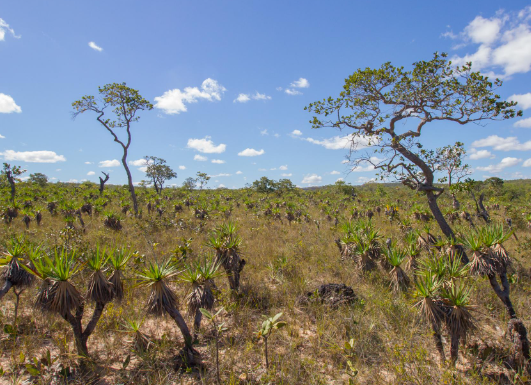
The Cerrado, a vast tropical savanna region in Brazil, is renowned for its rich biodiversity and unique adaptations in both plants and wildlife. The harsh seasonal climate and varied soil types have led to a remarkable array of species that exhibit incredible survival mechanisms. In this post, we will explore how the plants and animals of the Cerrado have evolved to thrive in such a challenging environment.
1. Adaptations of Cerrado Flora
The plants in the Cerrado showcase fascinating adaptations to survive the dry seasons and periodic fires that characterize this ecosystem. Many species, such as the Brazilian peppertree and various grasses, have deep root systems that enable them to access water below the surface. Additionally, many shrubs and trees possess thick bark and waxy leaves to reduce water loss, allowing them to endure prolonged droughts.
A notable example of plant adaptation in the Cerrado includes the “candeia” tree, which has evolved to withstand fire through its ability to regenerate quickly after being burned. Several species have developed thick leaves that can cope well with the intense sun while minimizing moisture loss. These adaptations not only help individual plants survive but also contribute to the overall stability of the ecosystem.
-
- Identify native plants in your area that can withstand dry conditions.
-
- Consider planting species with deep root systems to improve water retention.
-
- Maintain healthy soil to support diverse plant species.
-
- Learn about fire-resistant plants for landscaping.
2. Wildlife Survival Strategies in the Cerrado
The wildlife of the Cerrado has developed a range of survival strategies to cope with its unique environment. Many animals are nocturnal, allowing them to avoid the heat of the day and conserve water. For instance, the Brazilian fox and various rodent species are active primarily at night, making them less vulnerable to predators and heat stress.
Additionally, some species have developed dietary adaptations to make the most of the available food resources. The maned wolf, for instance, has a diet that includes fruits like the lobeira fruit, which are abundant in its habitat. This flexibility helps it thrive even when prey populations fluctuate due to seasonal changes.
-
- Observe wildlife behavior in your area to understand their adaptations.
-
- Support local conservation efforts to protect habitats.
-
- Encourage biodiversity by planting various types of native vegetation.
-
- Educate yourself about nocturnal species in your region.
3. Impact of Climate Change on Biodiversity
<pMoreover, climate change can exacerbate the frequency and intensity of wildfires in the region, further threatening the survival of both plants and animals. Species that adapt well to periodic fires may continue to thrive, but those unable to withstand these changing conditions might face extinction. Identifying vulnerable species and supporting conservation initiatives is crucial to maintaining the health of the Cerrado ecosystem.
-
- Stay informed about climate change impacts in your community.
-
- Participate in or support reforestation efforts.
-
- Advocate for sustainable agricultural practices to protect local biodiversity.
-
- Engage with conservation projects focused on the Cerrado.
4. Importance of Conservation Efforts
Conservation efforts play a vital role in preserving the unique biodiversity of the Cerrado. Protected areas and reserves serve as sanctuaries for both flora and fauna, allowing them to thrive without the pressures of urbanization and agricultural expansion. Effective conservation strategies often involve collaboration between local communities, non-profit organizations, and government agencies.
Additionally, education and awareness campaigns can help foster a sense of stewardship among residents and visitors. By highlighting the ecological significance of the Cerrado, these initiatives can encourage local communities to participate actively in conservation efforts and sustainable practices, thus protecting this irreplaceable ecosystem for future generations.
-
- Get involved with local conservation groups.
-
- Educate others about the importance of biodiversity.
-
- Participate in community clean-up or planting events.
-
- Support sustainable local businesses that prioritize environmental care.
The Cerrado’s biodiversity is a testament to the resilience of nature, showcasing a complex interplay of adaptations that support its unique ecosystems. By understanding and acknowledging the significance of these plants and animals, we can take meaningful steps toward protecting this vital region. Consider engaging with conservation efforts or learning more about native species in your area to become part of the solution.