
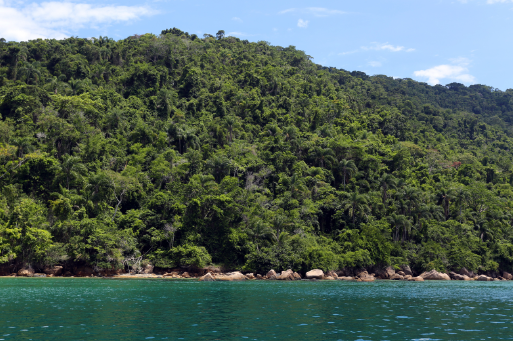
The Atlantic Forest is one of the most biodiverse ecosystems on the planet, spanning several countries in South America, including Brazil, Argentina, and Paraguay. However, this vital biodiversity hotspot is at significant risk due to deforestation, urbanization, and climate change. Understanding the challenges and opportunities surrounding this ecosystem is crucial for its preservation.
1. Unique Floral Diversity
The Atlantic Forest is home to an estimated 20,000 plant species, many of which are endemic, meaning they are found nowhere else on Earth. This includes the iconic Brazil nut tree and the strikingly beautiful orchids. The forest’s rich array of plants plays an essential role in stabilizing the soil, providing oxygen, and serving as critical habitats for countless animal species.
Additionally, the unique composition of the Atlantic Forest allows for a variety of microclimates, from coastal mangroves to mountainous areas. Each microhabitat supports its own distinct community of flora and fauna, making the area a treasure trove for ecologists and botanists alike.
-
- Explore local nurseries for native Atlantic Forest plants.
-
- Support conservation organizations focused on this biodiversity hotspot.
-
- Consider planting native species in your garden to help preserve local biodiversity.
-
- Participate in local reforestation initiatives.
2. Threats to Wildlife
The wildlife in the Atlantic Forest is as diverse as its plant life, hosting a variety of species from jaguars to the critically endangered golden lion tamarin. Unfortunately, many of these animals face threats from habitat loss due to agricultural expansion, logging, and urban development. The fragmentation of their habitat limits their ability to find mates and food, further endangering these species.
Moreover, climate change continues to alter temperature and rainfall patterns, impacting the survival rates of many species that require stable environments. Increased human activity, such as poaching and pollution, only exacerbates these threats, pushing many species closer to extinction.
-
- Educate yourself on the local wildlife and their habitats.
-
- Support anti-poaching initiatives in your region.
-
- Avoid purchasing products that may contribute to wildlife habitat destruction.
-
- Advocate for wildlife protection laws and policies.
3. Conservation Efforts and Success Stories
Despite the considerable threats, numerous organizations and individuals are devoted to conserving the Atlantic Forest. Initiatives like the Atlantic Forest Restoration Pact aim to restore 15 million hectares of forest by 2050. Success stories, such as the recovery of the golden lion tamarin population, showcase the impact of dedicated conservation efforts.
Additionally, protected areas have been established to safeguard critical habitats. Community involvement in these efforts has proven essential, as local residents often serve as the best guardians of their environment. Through education and outreach, these programs aim to inspire a new generation of conservationists.
-
- Get involved with local conservation projects.
-
- Donate to organizations working in the Atlantic Forest.
-
- Volunteer for community outreach and education programs.
-
- Attend local conservation events and workshops.
4. The Role of Sustainable Practices
Implementing sustainable practices is vital for the future of the Atlantic Forest and its biodiversity. Sustainable agriculture and eco-friendly tourism can provide economic incentives while reducing the environmental stressors impacting the forest. By promoting practices that minimize land degradation and support wildlife, we can create a balanced co-existence between local communities and the ecosystem.
Some examples include agroforestry, where trees and plants are cultivated together, benefiting both wildlife habitats and crop production. Sustainable tourism practices can also generate income while preserving natural habitats, allowing visitors to appreciate the beauty of the forest without causing harm.
-
- Choose eco-friendly travel options when visiting the region.
-
- Support local businesses practicing sustainable agriculture.
-
- Be mindful of waste and pollution when enjoying natural areas.
-
- Spread awareness about the benefits of sustainable practices.
In conclusion, the Atlantic Forest is a vital ecosystem that requires immediate attention and action to combat its decline. By understanding its unique biodiversity and the threats it faces, we can contribute to its conservation. Whether through supporting local initiatives or adopting sustainable practices in our own lives, every action counts. Let’s be proactive in protecting this precious ecosystem for future generations.