
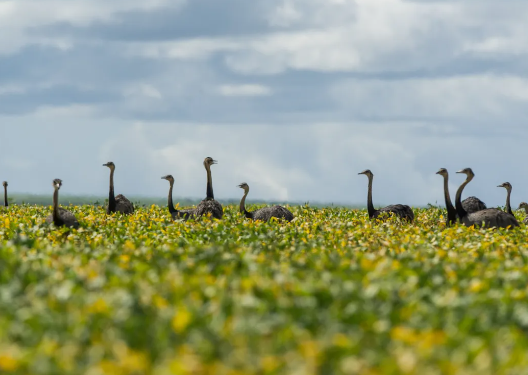
The Cerrado, Brazil’s vast tropical savanna, showcases a fascinating interplay of dry and wet seasons. Understanding its climate dynamics is crucial for biodiversity, agriculture, and resource management in the region.
1. Overview of the Cerrado Climate
The Cerrado experiences a distinct climate characterized by a pronounced dry season (from May to September) and a wet season (from October to April). This seasonality plays a vital role in shaping the ecosystem, influencing the flora and fauna that thrive there. The dry season sees significant reductions in rainfall, with averages dropping below 100 mm per month in some regions, while the wet season can bring over 300 mm monthly.
This drastic shift between wet and dry periods creates a unique environment for plant and animal adaptations. Many species have evolved incredible resilience to survive the harsh dry conditions, such as the ability to conserve water or go dormant during periods of low moisture. This adaptability makes the Cerrado a rich habitat for diverse species, including many endemic plants and animals.
-
- Learn about native species and their adaptations.
-
- Monitor seasonal changes in local vegetation.
-
- Observe animal behaviors related to seasonal migrations.
-
- Participate in conservation efforts to maintain biodiversity.
2. The Wet Season: A Time of Growth
The wet season in the Cerrado marks a time of renewal and growth for the ecosystem. Rainfall replenishes the soil, allowing a burst of plant activity, especially among grasses and shrubs. During this season, the landscape transforms, and the abundance of resources attracts numerous herbivores and their predators, fueling a complex food web.
This season also initiates the flowering and fruiting of many plant species, creating a vibrant display that supports both wildlife and local communities. Farmers in the region often time their planting seasons to coincide with the onset of rains, utilizing these natural cycles to maximize agricultural yields. Understanding these dynamics is key for both managing resources sustainably and enhancing farming practices.
-
- Plan agricultural activities around the wet season for optimum yield.
-
- Explore local flora and their blooming cycles.
-
- Engage in monitoring water sources for wildlife.
-
- Support local farmers by purchasing seasonal produce.
3. The Dry Season: Challenges and Adaptations
The dry season poses significant challenges for the Cerrado’s inhabitants, as reduced water availability affects both animal and plant life. Many animals adapt by migrating to find food and water, while others enter a state of dormancy, conserving energy until the rains return. Unique plant adaptations, such as deep root systems and water storage capabilities, become crucial for survival during these months.
This season also influences human activity, particularly in agriculture. Farmers often face challenges like droughts, which can lead to crop failures unless they employ specific strategies such as drought-resistant crop varieties and efficient irrigation practices. Furthermore, understanding fire management is essential, as controlled burns are sometimes used to manage growth and maintain the ecological balance.
-
- Implement water conservation techniques in gardening.
-
- Use drought-resistant crops for farming.
-
- Understand the role of fire management in ecosystem health.
-
- Avoid overgrazing during dry months to preserve soil health.
4. The Impact of Climate Change on the Cerrado
Climate change is increasingly impacting the Cerrado’s seasonal cycles, leading to alterations in rainfall patterns and temperature extremes. These changes can disrupt the delicate balance of the ecosystem, affecting both biodiversity and agricultural productivity. For instance, some studies suggest that prolonged dry seasons could lead to habitat degradation and loss of native species, threatening the ecological integrity of the region.
Moreover, local communities that rely on the predictable wet and dry cycles for farming and water resources are also at risk. It’s crucial for governments and organizations to prioritize climate resilience strategies to adapt to these changes. This includes promoting sustainable land use practices and investing in research to support local farmers facing new and challenging conditions.
-
- Advocate for sustainable land management practices.
-
- Participate in climate education programs.
-
- Support local conservation initiatives.
-
- Stay informed about climate change impacts in the Cerrado.
In conclusion, comprehending the dry and wet cycle dynamics in the Cerrado is essential for conservation and sustainable land management. By staying informed and engaging with local practices, we can all contribute to preserving this unique ecosystem for future generations.