
The Pantanal, a vast tropical wetland in Brazil, is a birdwatcher’s dream come true. With its rich biodiversity and numerous unique species, it attracts bird enthusiasts from all over the world. In this guide, we will explore some of the most exotic bird species you can encounter in this paradise.
1. The Iconic Hyacinth Macaw
The Hyacinth Macaw, with its stunning cobalt blue feathers, is one of the largest species of parrots in the world. This striking bird is not only beautiful but also plays a critical role in the ecosystem by dispersing seeds across the Pantanal. When observing these majestic creatures, be sure to look for their large beaks, which they use to crack open nuts and fruits. Their social behavior is fascinating, as they often travel in pairs or family groups.
To get a closer look, consider visiting the northern reaches of the Pantanal, where these macaws are frequently spotted. Early morning and late afternoon are the best times to see them flying overhead or perched in trees. Don’t forget to bring binoculars to enhance your viewing experience, as these birds can sometimes be elusive.
-
- Visit the northern Pantanal for better chances of sightings.
-
- Head out in the early morning or late afternoon.
-
- Bring binoculars for a closer view.
-
- Learn about local guides who can help you find them.
-
- Take note of their nesting sites in palm trees.
2. The Colorful Toco Toucan
The Toco Toucan is arguably one of the most recognizable birds in the Pantanal, thanks to its oversized, colorful bill. This stunning bird attracts attention not only for its vibrant plumage but also for its unique feeding habits. Unlike many other birds that rely on insects, Toco Toucans primarily feed on fruits, which creates an essential role in seed dispersal for many tropical plants. Observing their feeding behavior can provide insight into the wider ecosystem at play in the Pantanal.
To spot the Toco Toucan, look for them in the early mornings, commonly found in fruiting trees. Their distinctive calls often precede their arrival, adding an auditory layer to the experience. Given their striking appearance, many birdwatchers bring cameras to capture their beauty, so be sure to have yours ready!
-
- Look in fruiting trees for good chances of sightings.
-
- Listen for their calls to locate them easily.
-
- Have your camera ready for photographs.
-
- Visit during early mornings for active feeding.
-
- Join guided birdwatching tours for expert insights.
3. The Elegant Great Egret
The Great Egret is a majestic bird often seen wading through the shallow waters of the Pantanal. Known for its elegant white plumage and long neck, this species epitomizes beauty and grace. They primarily hunt fish, amphibians, and insects, utilizing their keen eyesight and quick reflexes to snatch their prey. Their presence is a good indicator of a healthy wetland ecosystem, making them an essential species to observe while birdwatching.
Great Egrets can be found throughout the Pantanal, especially in marshy areas and near lakes. Early morning and late afternoon offer the best times for viewing, as they are most active during these cooler hours. Traveling along the various rivers and streams in the region increases your chances of encountering these stunning birds in their natural habitat.
-
- Search in marshy areas and near water bodies.
-
- Visit in the early morning or late afternoon.
-
- Look for them standing still, waiting for prey.
-
- Remain quiet to avoid startling them.
-
- Document your sightings in a birdwatching journal.
4. The Elusive Jabiru Stork
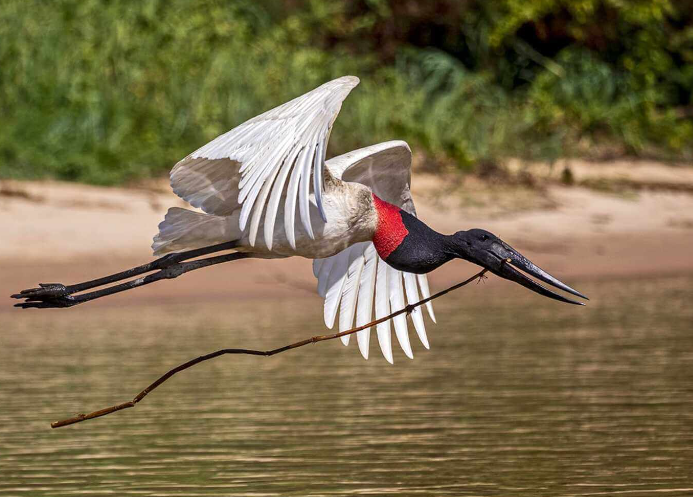
The Jabiru Stork is the tallest flying bird in South America, standing up to 1.5 meters (nearly 5 feet) tall. With a striking black and white plumage, they are often seen hunting in shallow waters for fish and frogs. Their exceptional height gives them a unique perspective in identifying prey, making them a fascinating species to observe. The Juabiru Stork also plays a crucial role in the wetland’s food chain.
This species can be found in various habitats throughout the Pantanal, including marshes, lagoons, and rivers. They often nest in large trees and are known for their spectacular courtship displays when attracting partners. Given their size, spotting them is relatively easy, but patience is key, as they can be quite wary of human presence.
-
- Observe them near marshes, lagoons, and rivers.
-
- Be patient and move slowly to avoid scaring them off.
-
- Watch for their unique courtship displays.
-
- Look for their nesting sites in trees.
-
- Consider guided tours for deeper insights into their behavior.
5. The Active Southern Screamer
The Southern Screamer is a fascinating and loud waterfowl often found near lakes and ponds in the Pantanal. This bird, with its striking black and white plumage and long trailing feathers, is known for its distinctive, echoing calls that can be heard over great distances. Southern Screamers are quite social, often seen in small groups, and are known for their strong territorial behavior. Observing their interactions can be particularly interesting for avid birdwatchers.
These birds are best spotted in open wetlands during the day. They usually feed on aquatic plants, making their foraging behavior an intriguing aspect to watch. Keep your eyes peeled for their loud calls, which will often attract your attention even before you see them.
-
- Search for them near lakes and ponds.
-
- Be attentive to their loud, echoing calls.
-
- Watch their social interactions in groups.
-
- Stay quiet to avoid startling them.
-
- Use binoculars to enjoy their interesting feeding habits.
In conclusion, the Pantanal is a treasure trove for birdwatchers, showcasing an impressive variety of exotic species. By planning your visits wisely and utilizing local expertise, you can maximize your birdwatching experience. So gather your gear, explore this breathtaking region, and immerse yourself in the world of its magnificent birds!