
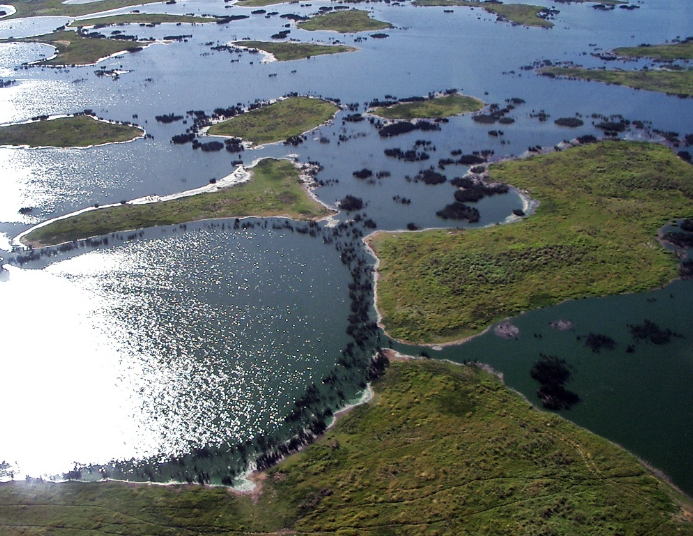
The Pantanal, the world’s largest tropical wetland, is a remarkable ecosystem renowned for its rich biodiversity. Characterized by a cyclical flood regime, the Pantanal experiences dramatic seasonal transformations that profoundly influence its wildlife and plant life. Understanding the flood cycle is essential not only for appreciating the area’s complexity but also for ensuring its conservation.
1. The Flood Cycle Explained
The Pantanal’s flood cycle is governed by seasonal rains, typically occurring from November to March. During this period, excessive rainfall inundates the low-lying areas and riverbanks, transforming vast expanses of grassland into a complex network of lakes and channels. This flooding is crucial for replenishing the soil with nutrients and creating habitat diversity, which helps sustain a plethora of wildlife species.
- Learn the timing of the flood season to better understand wildlife movements.
- Use local resources to monitor water levels and seasonal changes.
- Document your observations of plants and animals throughout the seasons.
- Participate in local conservation efforts that aim to protect the ecosystem.
2. Biodiversity and Adaptation
The fluctuation between wet and dry seasons gives rise to an extraordinary array of biodiversity in the Pantanal. Animals and plants have adapted to exploit the unique opportunities presented by each phase of the flood cycle. For instance, the capybara and the giant river otter are well-suited to the flooded environment, taking advantage of the plentiful food supply that emerges during the rainy season.
- Observe how different species respond to flooding and drought.
- Take notes on the behavioral patterns of wildlife throughout the year.
- Engage with local experts to understand evolutionary adaptations.
- Support habitats that protect native species during seasonal changes.
3. Societal Impact and Conservation
The flood cycle of the Pantanal doesn’t only affect wildlife; it also impacts local communities and economies. Many inhabitants rely on the natural resources of the Pantanal through activities like fishing, farming, and eco-tourism. As they navigate the seasonal changes, understanding the flood cycle becomes crucial for sustainable practices and overall community well-being.
- Investigate how local communities can participate in conservation efforts.
- Consider sustainable tourism options that contribute positively to the ecosystem.
- Support initiatives that aim to educate local inhabitants about conservation.
- Stay informed about environmental policies affecting the Pantanal.
Understanding the Pantanal’s flood cycle is essential for appreciating the ecological transformations that occur within this unique environment. By recognizing the interdependencies among water, wildlife, and local communities, we can foster a more sustainable relationship with this extraordinary wetland. Take the time to explore your local resources, engage with conservation efforts, and support sustainable practices that benefit the Pantanal ecosystem.