
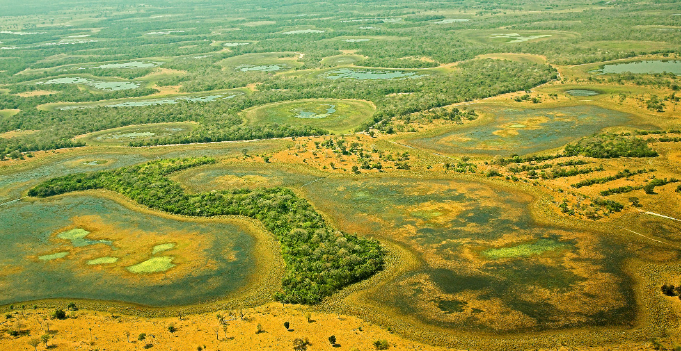
The Pantanal, a vast tropical wetland in Brazil, Bolivia, and Paraguay, is renowned for its rich biodiversity and extraordinary ecosystems. However, this unique region faces numerous environmental threats that endanger its flora and fauna. Understanding the critical need for conservation is essential to ensure the Pantanal’s ecological integrity and vibrant wildlife continues to thrive.
1. The Rich Biodiversity of the Pantanal
The Pantanal is home to an astounding variety of species, boasting over 4,700 plant species and 1,200 animal species. Among these, iconic animals like the jaguar, capybara, and giant river otter can be found, each playing a crucial role in their ecosystem. For instance, the jaguar is a keystone predator, helping to maintain the balance of prey populations within this habitat.
This wetland’s biodiversity is essential not only for ecological balance but also for human sustainability. The diverse ecosystems provide various services such as water purification, flood control, and carbon storage, which contribute significantly to the wellbeing of local communities. Protecting this wealth of biodiversity is vital for keeping the Pantanal healthy and resilient.
-
- Participate in local conservation groups.
-
- Spread awareness about Pantanal species and their importance.
-
- Support eco-friendly tourism initiatives that promote wildlife observation.
-
- Contribute to habitat restoration projects.
2. Major Environmental Threats to the Pantanal
The Pantanal faces a myriad of environmental threats, primarily due to human activities. One of the most significant dangers is deforestation and land conversion for agriculture. This practice not only destroys natural habitats but also leads to soil erosion and disrupts local hydrology, critically affecting the wildlife that relies on these ecosystems.
Furthermore, pollution from agricultural runoff carries harmful chemicals into the waters, affecting fish and other aquatic organisms. Climate change is also causing shifting weather patterns, leading to unpredictable flooding and droughts that can devastate local ecosystems. This combination of factors highlights the urgent need for action to protect this precious region.
-
- Avoid using harmful pesticides in agricultural practices.
-
- Encourage reforestation efforts to mitigate habitat destruction.
-
- Advocate for policies that protect wetlands and regulate land use.
-
- Lower carbon footprints to combat climate change impacts.
3. Effective Conservation Strategies for the Pantanal
Conservation efforts in the Pantanal can take many forms, ranging from protected areas to community-based initiatives. Establishing reserves plays a critical role in safeguarding wildlife habitats from encroachment. These protected areas can serve as sanctuaries for endangered species while allowing for sustainable tourism practices that benefit local economies.
Engaging local communities in conservation plans is also essential. Educating residents about the value of their environment fosters a sense of stewardship and encourages sustainable practices, such as fishing and agriculture that are less harmful to the ecosystem. Collaborative efforts lead to more sustainable livelihoods alongside environmental health.
-
- Support the creation of protected areas through donations.
-
- Participate in community outreach and educational programs.
-
- Promote sustainable agriculture and tourism practices.
-
- Encourage responsible fishing practices among local fishers.
4. The Role of Sustainable Tourism in Conservation
Sustainable tourism can be a powerful tool for conservation in the Pantanal. By attracting eco-tourists who are interested in the unique wildlife and landscape, local economies can thrive without overexploiting resources. Well-managed eco-tourism initiatives provide income while encouraging the preservation of biodiversity and habitats.
Moreover, responsible tourism practices create opportunities for education about conservation. Tourists who learn about the importance of the Pantanal are more likely to contribute to preservation efforts. This enhances both the visitor experience and the long-term sustainability of the region’s ecosystems.
-
- Choose eco-friendly accommodations that support local conservation efforts.
-
- Engage with local guides who emphasize environmental education.
-
- Participate in conservation-related activities offered by tour operators.
-
- Respect wildlife and natural habitats during all interactions.
As we explore and appreciate the wonders of the Pantanal, it’s crucial to remember the pressing need for biodiversity conservation and environmental protection. Encouraging actions can lead to a sustainable future for this unique ecosystem and its inhabitants. Whether through advocacy, education, or eco-friendly travel, your involvement can make a difference. Join the movement to protect the Pantanal today!