
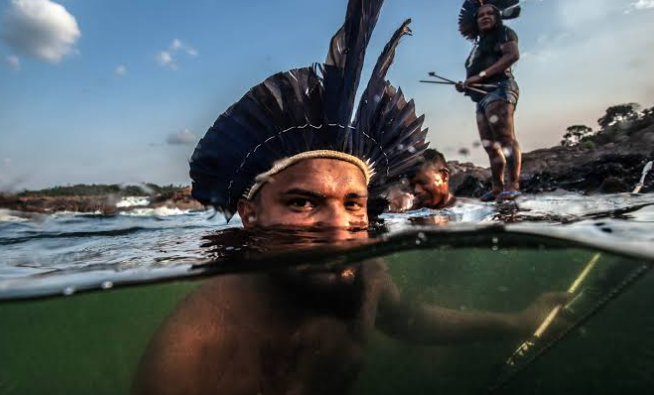
The Xingu River, flowing through Brazil’s Amazon rainforest, is not only a vital waterway but also a lifeblood for numerous indigenous communities. These territories, rich in biodiversity, face significant threats from deforestation and exploitation, prompting an urgent need for environmental protection efforts.
1. Understanding the Indigenous Territories Along the Xingu River
The indigenous territories along the Xingu river are home to several communities, including the Kayapó, Xinguanos, and the Kuikuro. Each of these tribes has developed unique cultures, languages, and relationships with the land over centuries. Their traditional knowledge and practices play a crucial role in sustainable resource management and biodiversity conservation. For instance, the Kayapó people utilize a system of shifting agriculture that respects natural regeneration cycles, ensuring the land remains fertile over time.
These territories encompass vast tracts of forests, rivers, and wetlands, supporting a wide variety of flora and fauna. The preservation of their ecosystems is critical not only for maintaining indigenous lifestyles but also for global biodiversity. Hence, understanding the dynamics of these territories is vital for creating effective environmental protection policies.
-
- Learn about the different tribes and their cultural practices.
-
- Understand the ecological significance of their territories.
-
- Explore the history of land use and its impact on biodiversity.
-
- Investigate community-led conservation initiatives.
2. Threats to the Xingu River and Its Indigenous Communities
The Xingu River and its surrounding territories face multiple threats, primarily from industrial activities such as logging, mining, and agriculture. Large-scale deforestation leads to habitat destruction, disrupting the delicate balance of the local ecosystem. Moreover, the construction of dams has significantly altered the river’s flow, impacting fish populations that local communities rely on for food and trade.
Climate change adds another layer of complexity to these challenges. Altered weather patterns result in unpredictable rainfall and prolonged droughts, which further strain the resources essential for indigenous communities. Mitigating these threats requires coordinated efforts between the tribes, government bodies, and environmental organizations.
-
- Support sustainable forest management practices.
-
- Advocate for the protection of indigenous rights.
-
- Stay informed about environmental policies affecting the area.
-
- Participate in campaigns focused on environmental conservation.
3. The Role of Environmental Protection Initiatives
Efforts to protect the Xingu River and its indigenous peoples are gaining momentum through various environmental initiatives. Organizations like the Socio-Environmental Institute (ISA) invest in projects that amplify indigenous voices in decision-making processes. Additionally, these initiatives often focus on legal support for land rights, ensuring that indigenous communities can safeguard their territories against encroachment.
Furthermore, educational programs aimed at promoting awareness about the environmental challenges faced by the Xingu River encourage global citizen engagement. Such programs often highlight the essential role of indigenous lands in carbon sequestration, making a compelling case for their protection in the fight against climate change.
-
- Engage with local environmental organizations.
-
- Volunteer for conservation projects in indigenous communities.
-
- Share information about the importance of indigenous rights.
-
- Support products and companies that prioritize sustainability.
The intertwining of indigenous rights and environmental protection not only aids in preserving the richness of the Xingu River area but is crucial for the overall health of our planet. As we become more aware of these connections, it empowers us to make informed decisions and advocate for sustainable practices.
In conclusion, the preservation of the Xingu River’s indigenous territories is vital for environmental conservation and cultural heritage. By supporting indigenous rights and participating in ongoing initiatives, we can contribute to the sustainability of these ecosystems and the communities that depend on them. Take action today to learn more and help make a difference!