
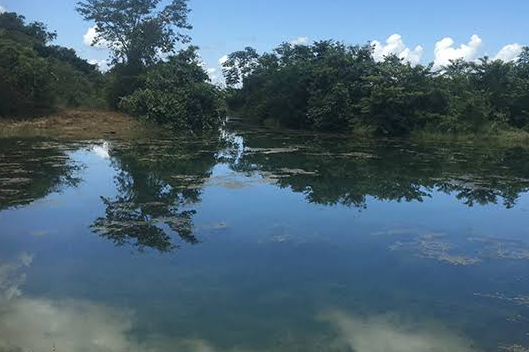
The Araguaia River, winding through Brazil, is much more than a waterway; it serves as a vital wildlife corridor and a unique river island ecosystem. This region supports diverse flora and fauna, offering crucial habitats for various species while promoting ecological balance. Protecting this corridor is essential for sustaining biodiversity and maintaining the health of the environment.
1. The Importance of the Araguaia River as a Wildlife Corridor
The Araguaia River provides essential connectivity between various ecosystems, allowing wildlife to migrate and thrive. This corridor enables species to access food, mates, and nesting sites, essential for their survival. The river’s adjacency to a range of habitats, from dense forests to wetlands, creates a rich tapestry where different species can coexist, promoting ecological resilience.
Moreover, the Araguaia River supports several endangered species, such as the Brazilian tapir and various fish species that struggle in fragmented habitats. Conservation of this corridor is vital not only for these species but also for the ecological health of surrounding communities. Thus, maintaining the integrity of the Araguaia River is a shared responsibility that impacts both wildlife and human inhabitants.
-
- Advocate for conservation initiatives in your area.
-
- Support local NGOs working on wildlife protection.
-
- Participate in community clean-up events for waterways.
-
- Spread awareness about the river’s significance.
2. Unique River Island Systems Along the Araguaia
The river islands in the Araguaia system are fascinating ecosystems, often consisting of sandy beaches and rich biodiversity. These islands serve as crucial nesting and breeding grounds for various bird species, including the endangered Jabiru stork. The shifting sands and fluctuating water levels create diverse habitats that support numerous plant communities, enriching the overall biodiversity of the area.
Furthermore, the islands are essential for maintaining the ecological balance in the region. They filter runoff and absorb excess nutrients, thus improving water quality in the river. This filtering process is vital, particularly as agricultural runoff threatens aquatic ecosystems. Protecting these islands ensures a healthier environment for both wildlife and human communities dependent on the river.
-
- Explore the flora and fauna when visiting river islands.
-
- Observe and record wildlife behaviors for research or personal interest.
-
- Avoid littering and encourage others to keep the islands clean.
-
- Respect wildlife by maintaining a safe distance during observation.
3. Conservation Challenges and Opportunities
On the other hand, opportunities for conservation are increasing. Local communities and organizations are becoming more aware of the importance of preserving these areas. Initiatives such as ecotourism, biodiversity research, and community education programs can promote sustainable practices that benefit both the environment and local economies.
-
- Engage with community leaders to discuss conservation efforts.
-
- Support legislation that targets habitat preservation.
-
- Get involved in restoration projects, such as reforesting riverbanks.
-
- Educate others about the importance of conserving waterways.
4. The Role of Local Communities in Conservation
Local communities play a fundamental role in the conservation of the Araguaia River and its island systems. These communities have ancestral knowledge of the land and its resources, which can be invaluable for sustainable management practices. Their active participation in conservation initiatives ensures that traditional practices and modern conservation strategies work together for the benefit of the ecosystem.
Moreover, empowering local communities to become stewards of their environment fosters a sense of ownership and responsibility. By involving these communities in decision-making processes and providing them with the tools and resources to protect their natural surroundings, we can create lasting change. This collaborative approach not only aids in the preservation of biodiversity but also enhances the livelihoods of local residents.
-
- Attend community meetings focused on conservation efforts.
-
- Encourage local involvement in environmental education programs.
-
- Collaborate with community members on research projects.
-
- Share success stories to inspire further engagement.
In conclusion, the Araguaia River wildlife corridor and river island systems are essential to the ecological health of Brazil. By understanding their importance and actively engaging in conservation efforts, we can protect these vital ecosystems for future generations. Join the movement to advocate for wildlife and habitat conservation in your local community today!