
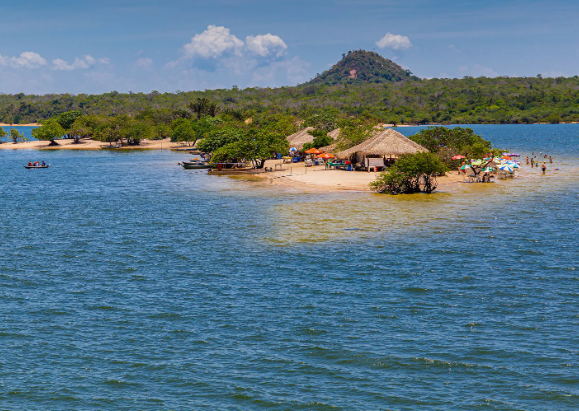
The Tapajós River in Brazil is a marvel of nature, boasting a clear water ecosystem that supports a diverse range of wildlife and unique sandbank formations. This river not only contributes to the rich biodiversity of the Amazon Basin but also plays a fundamental role in local communities and tourism.
1. The Unique Ecosystem of the Tapajós River
The Tapajós River is renowned for its remarkably clear waters, which are primarily a result of its mineral-rich soil and lack of sediment. This clarity enables sunlight to penetrate deeper into the water, promoting the growth of aquatic plants and fostering a unique habitat for various fish species. As a result, the river becomes a haven for both freshwater biodiversity and researchers interested in studying its delicate balance.
- Learn about local conservation policies.
- Participate in community clean-up efforts along the riverbank.
- Support local fishermen by purchasing sustainable seafood.
- Educate others about the importance of the Tapajós ecosystem.
2. Sandbank Formations and Their Importance
The Tapajós River is characterized by its distinctive sandbank formations, which are created by fluctuating water levels throughout the year. During periods of lower water, large sandy areas emerge, providing critical habitat for nesting birds, reptiles, and even some plant species. These formations not only enhance the biodiversity of the area but also serve as natural barriers that protect the riverbanks from erosion.
In addition to their ecological significance, sandbanks are integral to local culture and tourism. They provide recreational areas for local families and visitors, allowing for activities such as swimming, fishing, and picnicking. Additionally, these sandy formations offer unique spots for sunset watching and photography, attracting tourists eager to experience the natural beauty of the Amazon.
- Visit sandbanks during low water seasons to witness wildlife.
- Always respect local wildlife habitats when exploring these areas.
- Promote responsible tourism practices in your travels.
- Document and share your experiences to raise awareness.
3. Conservation and Tourism: A Delicate Balance
As tourism grows in popularity along the Tapajós River, the balance between economic development and ecological protection becomes crucial. While the influx of visitors can boost local economies, it may also lead to environmental degradation if not managed properly. Sustainable tourism initiatives focus on educating travelers about the ecosystem and encouraging practices that protect the river’s natural resources.
Many ecotourism companies offer guided tours that emphasize the importance of conservation. These tours often include opportunities for birdwatching, fishing, and exploring surrounding forests, designed to minimize the environmental impact while maximizing awareness. As visitors learn about the ecosystem and its challenges, they can become advocates for its preservation, ensuring that future generations can enjoy the beauty of the Tapajós River.
- Choose eco-friendly tour operators when traveling.
- Learn about local customs and the environmental impact of tourism.
- Actively participate in conservation workshops offered by tour providers.
- Share your conservation experiences with friends and family.
In conclusion, the Tapajós River represents a beautiful example of nature’s artistry through its clear waters and unique sandbank formations. Engaging with this ecosystem thoughtfully can contribute to its preservation. Whether you’re a local resident, a visitor, or a conservation advocate, taking action to protect this incredible resource is essential for its future.