
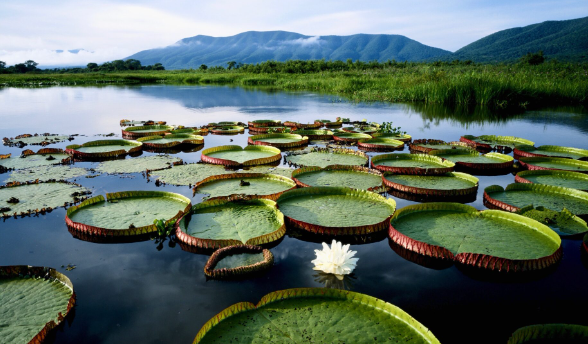
The Pantanal wetlands, located primarily in Brazil, are recognized as the largest tropical wetland ecosystem in the world. Home to an incredible diversity of flora and fauna, this unique region offers a wealth of opportunities for exploration and adventure. In this blog post, we will delve into the remarkable features of the Pantanal, the wildlife you can encounter, and how to make the most of your visit.
1. Unique Ecosystem and Biodiversity
The Pantanal covers an area of approximately 150,000 square kilometers, making it the largest tropical wetland on the planet. This vast expanse includes a mosaic of lakes, rivers, and grasslands that come alive during the rainy season. The humidity and wet conditions create a rich habitat for numerous species of plants and animals, making it one of the most biodiverse areas on Earth. Researchers estimate that the Pantanal is home to over 1,000 species of plants, 400 species of birds, and various mammals, reptiles, and amphibians.
Among the notable inhabitants are jaguars, caimans, capybaras, and a plethora of brightly colored birds like toucans and macaws. The wetland’s seasonal changes also encourage migration, making it an essential stop for numerous bird species traveling between North and South America. Moreover, the Pantanal is home to several endangered species, highlighting the importance of conservation efforts in the area.
-
- Visit during the wet season (November to March) for vivid wildlife sightings.
-
- Consider guided tours that focus on biodiversity and ecology.
-
- Bring binoculars to maximize your bird-watching experience.
-
- Respect local wildlife by maintaining a safe distance and avoiding disturbances.
2. Adventure Activities in the Pantanal
The Pantanal is not only about observing wildlife; it also offers a variety of adventurous activities for thrill-seekers. From horseback riding through the flooded landscapes to kayaking on its winding waterways, there is no shortage of exhilarating experiences. Guided boat tours provide a unique perspective on the ecosystem while allowing you to spot wildlife from the water, often getting closer than you would on foot.
For those who prefer to stay dry, hiking through the forests and grasslands is a fantastic way to immerse yourself in the natural beauty of the region. Whether you’re navigating through thick brush or traversing open plains, the chances of encountering the local wildlife up close are significantly heightened. With local guides leading the way, you can learn about the various flora and fauna and the intricate relationships within this vibrant ecosystem.
-
- Try horseback riding to explore remote areas and reach hidden gems.
-
- Pack light but include essential gear (hiking boots, sunscreen, insect repellent).
-
- Join night safaris for a chance to see nocturnal wildlife.
-
- Stay hydrated and bring plenty of water, especially in the warmer months.
3. Sustainable Tourism and Conservation Efforts
With its rich biodiversity, the Pantanal is often at risk due to habitat destruction, agriculture, and climate change. Participating in sustainable tourism is essential for preserving this vital ecosystem. Many eco-lodges and local businesses focus their efforts on conservation, offering travelers a way to experience the Pantanal while contributing positively to its preservation.
Educating yourself on the local culture and environmental challenges also enhances your travel experience. From respecting local wildlife habitats to supporting conservation initiatives, there are many ways to contribute while enjoying the natural splendor of the region. Joining conservation programs or volunteering at wildlife rehabilitation centers can also give you a fulfilling experience that connects you more deeply with the Pantanal.
-
- Choose eco-friendly accommodations that practice sustainable tourism.
-
- Participate in local conservation efforts or educational programs.
-
- Support local artisans by buying handmade products, which promotes the local economy.
-
- Leave no trace: clean up after yourself to protect the pristine environment.
The Pantanal wetlands are a treasure trove of biodiversity and adventure that beckon travelers from around the globe. Engaging with this unique ecosystem not only enriches your travel experience but also contributes to essential conservation efforts. As you plan your visit, consider how you can make a positive impact on this incredible landscape.