
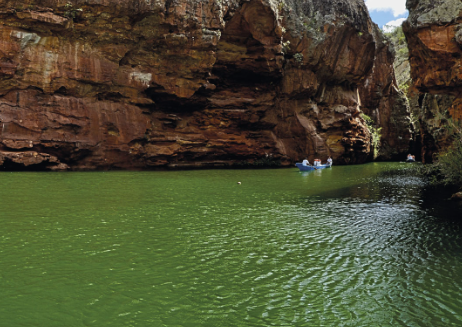
The São Francisco River, often referred to as the “River of National Unity,” flows through Brazil’s vast interior and plays a crucial role in the country’s economy. The construction of hydroelectric dams along its banks has sparked discussions about their impacts on the local ecosystem, both positive and negative. Understanding these effects can help in balancing energy needs with environmental sustainability.
1. Overview of Hydroelectric Dams on the São Francisco River
The São Francisco River supports several hydroelectric dams, with prominent examples being the Sobradinho and Itaparica dams. These facilities provide significant energy to Brazil’s national grid, contributing to the country’s efforts in renewable energy production. However, the sheer scale of these constructions can lead to substantial changes in the river’s flow regime, which in turn affects both aquatic and terrestrial ecosystems.
A major impact of these dams is the alteration of natural sediment transport. Sediments that would normally nourish floodplains and maintain wetlands are trapped behind the dam walls, leading to declining soil fertility. This change can diminish the productivity of local agriculture, which relies heavily on the natural flooding cycle for enrichment. Furthermore, species that depend on these seasonal floods for habitat are increasingly threatened.
-
- Research the specific dams and their energy output.
-
- Understand local sediment transport dynamics.
-
- Monitor changes in agricultural productivity in downstream areas.
-
- Engage with local communities to understand their challenges.
2. Impact on Aquatic Life
The hydroelectric dams on the São Francisco River have transformed aquatic habitats, impacting fish populations and biodiversity. Species such as the indigenous piaba fish have seen fluctuations in their populations, largely due to changes in water levels and temperature influenced by dam operations. Moreover, since some fish breed in upstream waters, the dams can hinder their ability to reproduce effectively by restricting their migratory routes.
Affected aquatic ecosystems can lead to a cascade of problems. As fish populations decline, local fishermen’s livelihoods are threatened, and traditional fishing practices face challenges. Additionally, the introduction of non-native species into altered habitats can further disrupt local biodiversity, creating competition for resources that native species depend on.
-
- Support conservation efforts aimed at preserving native fish species.
-
- Participate in river clean-up initiatives to improve water quality.
-
- Educate others on the importance of maintaining aquatic biodiversity.
-
- Advocate for sustainable fishing practices in affected areas.
3. Socioeconomic Effects of Dam Construction
The construction of hydroelectric dams often leads to significant socioeconomic changes in nearby communities. While the promise of job creation and energy supply is appealing, it can also result in the displacement of local populations and disruptions to their traditional lifestyles. Communities reliant on agriculture and fishing may lose access to vital resources, leading to increased poverty and social unrest.
Additionally, local economies could see shifts due to increasing populations attracted by job opportunities. This influx can strain existing infrastructure and public services, creating challenges in housing, healthcare, and education. Understanding these dynamics is essential for developing policies that minimize negative impacts while enhancing local economic resilience.
-
- Engage with local stakeholders to identify their needs and concerns.
-
- Promote diversified economic activities beyond those related to dam operations.
-
- Establish training programs for skill development in new jobs.
-
- Collaborate with NGOs to support displaced communities.
4. Mitigation Strategies for Ecosystem Conservation
Recognizing the impact of hydroelectric dams, various mitigation strategies are being implemented to support ecosystem conservation. Examples include creating fish ladders that allow migratory species to pass upstream and downstream, as well as employing sediment management techniques to restore natural sediment transport processes. These initiatives aim to lessen the ecological footprint of dams while maintaining their energy production capabilities.
Moreover, environmental monitoring programs are becoming increasingly common. These programs assess water quality, biodiversity, and habitat conditions, providing data that can inform adaptive management practices. By engaging in ongoing ecological assessments, stakeholders can work collaboratively to ensure that energy production does not come at the cost of environmental health.
-
- Invest in and support the installation of fish ladders.
-
- Advance research on sediment management techniques.
-
- Participate in local environmental monitoring programs.
-
- Advocate for policies that prioritize ecological health in energy planning.
5. The Role of Community Involvement
Community involvement is crucial in managing the ecological impacts of hydroelectric dams on the São Francisco River. Local residents possess invaluable knowledge about their environment and can contribute to conservation efforts significantly. By organizing workshops and forums, communities can raise awareness about the significance of preserving local ecosystems while also discussing the potential benefits and drawbacks of hydroelectric projects.
Additionally, empowering communities to engage in decision-making processes related to dam management can lead to more sustainable outcomes. This approach not only fosters trust between stakeholders but also encourages collective responsibility for environmental stewardship. When communities feel invested in the preservation of their natural resources, they are more likely to advocate for sustainable practices.
-
- Encourage participation in community workshops about environmental issues.
-
- Share success stories of local conservation efforts.
-
- Support local initiatives that promote ecological education.
-
- Collaborate with environmental organizations to strengthen community voices.
In summary, while hydroelectric dams on the São Francisco River play a vital role in Brazil’s energy supply, their ecological and socioeconomic impacts are profound. Understanding these complexities is the first step toward fostering sustainable practices that benefit both local communities and the environment. If you are interested in the intersection of energy, environment, and community well-being, consider engaging with local conservation organizations or initiatives that promote ecologically sensitive energy practices.