
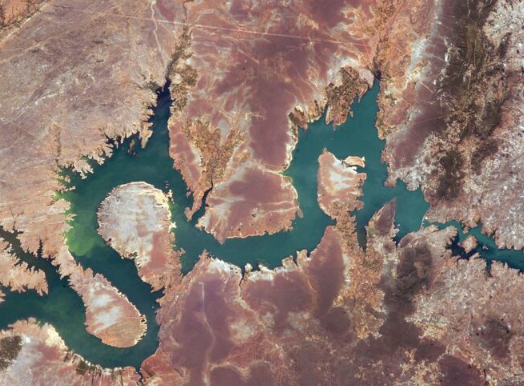
The São Francisco River is often called the “River of National Unity” in Brazil, playing a significant role in the region’s ecology and economy. However, the persistent drought affecting this crucial waterway poses substantial challenges for water management, agriculture, and local communities.
1. Understanding the Drought Situation
The São Francisco River has experienced a significant decline in water levels due to prolonged periods of drought exacerbated by climate change. This drop in water volume affects not only the river ecosystem but also the communities that rely on it for drinking water, agriculture, and fishing. The 2020 drought was one of the worst in decades, leading to water shortages in municipalities along the river.
Understanding the cycles and causes of drought is essential for developing effective water management strategies. For instance, the combination of reduced rainfall, higher temperatures, and increasing evaporation rates has substantially impacted the river’s flow. Stakeholders, including local governments and farmers, must consider these factors to adapt their practices accordingly.
-
- Stay informed about weather forecasts for your area.
-
- Monitor water levels and any official announcements related to drought conditions.
-
- Participate in local community meetings to learn about river health initiatives.
-
- Advocate for policies emphasizing sustainable agriculture and water use.
2. Impact on Agriculture and Local Economy
Agriculture along the São Francisco River is heavily dependent on consistent water supply for irrigation. The drought has severely affected crop yields, leading to food shortages and increased prices. Farmers in the region have begun to feel the economic strain, prompting some to reconsider their farming methods and crop selections.
This situation not only impacts farmers but also local economies, as reduced agricultural output can have a ripple effect on markets and employment. Communities that depend on fishing have similarly faced challenges, with lower water levels affecting both fish populations and fishing activities. Local businesses associated with agriculture and fishing industries are also feeling the crunch, creating an urgent need for innovative economic solutions.
-
- Explore drought-resistant crops suited for the local climate.
-
- Implement rainwater harvesting systems to save water for irrigation.
-
- Consider forming cooperatives to share resources and knowledge among farmers.
-
- Invest in soil health to improve water retention and crop resilience.
3. Water Management Strategies and Solutions
Effective water management is essential to mitigating the effects of drought on the São Francisco River. Various strategies can be employed by communities and governments to manage water resources better. Implementing conservation measures such as reducing waste, promoting efficient irrigation practices, and restoring natural habitats can help protect local water supplies.
Furthermore, collaborations among government agencies, NGOs, and local populations are vital for developing comprehensive water management plans. Initiatives such as afforestation and sustainable land practices can significantly enhance groundwater recharge and improve river health. Engaging the community in these dialogues fosters a shared sense of responsibility and action.
-
- Develop a community water management plan with local input.
-
- Invest in infrastructure to improve water storage and distribution systems.
-
- Promote education and awareness campaigns about water conservation.
-
- Encourage participation in river clean-up events to protect the ecosystem.
4. The Role of Technology in Water Management
Advancements in technology are playing a pivotal role in managing the water crisis facing the São Francisco River. Innovations such as satellite monitoring help track water levels and rainfall patterns, providing crucial data for decision-making. Additionally, remote sensing technology can help identify areas at risk of drought, enabling proactive irrigation management and resource allocation.
Moreover, smart irrigation systems that use sensors to optimize water usage can significantly reduce waste. These technologies, paired with community education on their benefits, can pave the way for more sustainable practices around water management. As technology continues to develop, its implementation in local water strategies will be vital for overcoming drought challenges.
-
- Explore local smart irrigation solutions for your farm or garden.
-
- Invest in technology to monitor water usage effectively.
-
- Participate in workshops focusing on the latest agricultural technologies.
-
- Advocate for governmental support in funding technology for water management.
Addressing the drought impact on the São Francisco River requires a multifaceted approach encompassing community awareness, innovative technology, and effective water management. Engaging in sustainable practices can make a difference for future generations. As circumstances evolve, staying informed and proactive will be crucial for your community’s resilience in facing water challenges.