
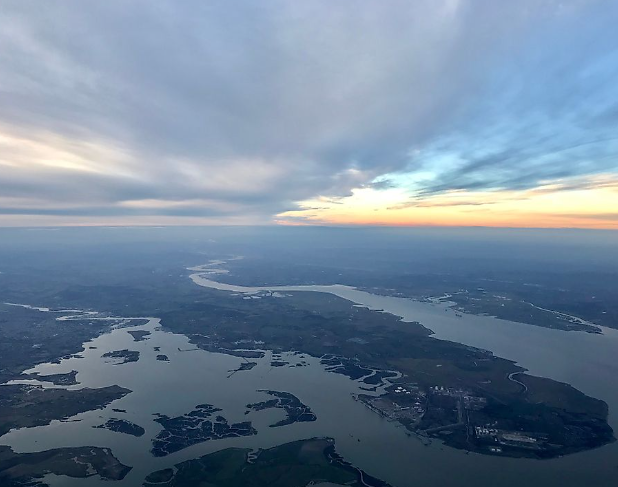
Located in Brazil, Lagoa dos Patos is the largest coastal lagoon in South America. Spanning roughly 250 kilometers, this lagoon plays a crucial role in the local ecosystem, economy, and culture, making it a remarkable natural feature worth exploring.
1. Geography and Physical Features
Lagoa dos Patos is not just a large body of water; it is an intricate system of lagoons, tidal flats, and sandy islands. It stretches from the city of Porto Alegre in the north all the way to the Atlantic Ocean. One of its remarkable features is its shallow depth, averaging only about 2 to 3 meters. This shallow depth contributes to its rich biodiversity and makes it a unique habitat for various species of flora and fauna.
The lagoon is bordered by several municipalities, each contributing to its ecological and economic landscape. The region around Lagoa dos Patos consists of diverse ecosystems, including wetlands, mangroves, and coastal shrubland. Each area plays a crucial role in maintaining the balance of the lagoon while providing various resources to the local populations.
-
- Identify key geographic markers and surrounding areas.
-
- Study the unique features like hills, islands, and wetlands.
-
- Observe the colors of the lagoon at different times of the day.
-
- Explore the local flora and fauna to understand the ecosystem.
2. Ecological Importance
The ecological significance of Lagoa dos Patos cannot be overstated. The lagoon serves as a critical habitat for various fish species, birds, and other wildlife. Its brackish waters create a unique environment that fosters high biodiversity. Many migratory birds choose the lagoon as a stopover point, making it a prime location for birdwatchers and nature enthusiasts.
Furthermore, Lagoa dos Patos acts as a natural filter, helping to cleanse the water that flows into the Atlantic Ocean. This filtering process is essential for maintaining the health of the marine ecosystems nearby. The lagoon also provides resources for local fishermen, conservationists, and researchers who rely on its rich biodiversity for their livelihoods and studies.
-
- Participate in local conservation efforts.
-
- Visit wildlife observation points to learn about native species.
-
- Join guided tours focusing on ecological education.
-
- Support local fisheries by consuming sustainably-sourced seafood.
3. Economic Value and Sustainable Use
The economic significance of Lagoa dos Patos transcends its natural beauty; it’s integral to the livelihoods of many coastal communities. Fishing and tourism are the primary economic drivers in the area. Fishermen depend on the lagoon for a variety of local species, while eco-tourism has seen a surge in popularity, drawing visitors eager to experience its natural charm.
However, the economic activities surrounding Lagoa dos Patos must be balanced with sustainability efforts. Overfishing and pollution are significant challenges facing the lagoon today. Initiatives aimed at promoting sustainable fishing practices and responsible tourism are crucial in ensuring that the lagoon continues to thrive economically and ecologically.
-
- Encourage sustainable fishing practices within the community.
-
- Promote eco-friendly tourism ventures.
-
- Attend workshops on sustainable practices.
-
- Support local businesses that prioritize environmental responsibility.
4. Cultural Significance
The cultural heritage surrounding Lagoa dos Patos is as rich as its biodiversity. The indigenous communities and local populations have long-standing traditions linked to the lagoon. They rely on its resources and have integrated its significance into their cultural practices, celebrations, and daily lives. Local cuisine, folklore, and handicrafts often derive their inspiration from the lagoon.
Moreover, the lagoon serves as a place for social gathering and cultural expression. Festivals celebrating the lagoon’s history and ecosystem attract both locals and tourists, fostering a sense of community. Understanding this cultural significance can deepen one’s appreciation for the lagoon and encourage respectful engagement with its resources.
-
- Attend local festivals and cultural events.
-
- Visit community centers to learn about local traditions.
-
- Support artisans and craftsmen inspired by the lagoon.
-
- Engage with indigenous knowledge and practices related to the lagoon.
In conclusion, Lagoa dos Patos is more than just a geographical feature; it is a vital ecosystem that supports diverse life forms while being pivotal to local economies and cultures. By prioritizing sustainable practices and community engagement, we can ensure that this remarkable lagoon continues to flourish for generations to come. Consider taking steps to explore its wonders, whether through conservation efforts, tourism, or participation in local culture. Your journey begins now!