
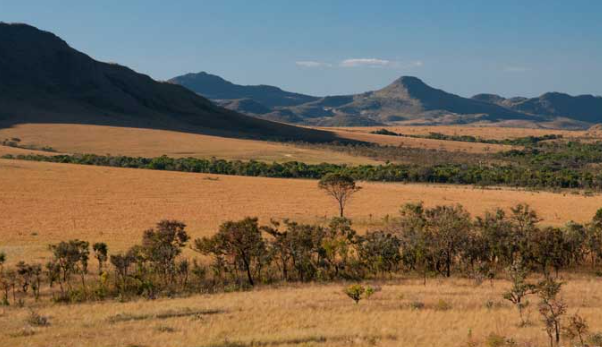
The Cerrado savanna is a unique and vital ecosystem located primarily in Brazil’s central plateau. Renowned for its rich biodiversity and distinctive geography, the Cerrado presents both challenges and opportunities for conservation and sustainable development. In this blog post, we will delve deeper into its geographical aspects, biodiversity, and conservation efforts.
1. Geography of the Cerrado Savanna
The Cerrado covers approximately 2 million square kilometers, making it one of the largest tropical savannas in the world. It is characterized by its rolling terrain, interspersed with forests and shrublands, and is primarily located in the central regions of Brazil, adjoining the Amazon rainforest to the north and the Atlantic Forest to the southeast. This geographic positioning grants the Cerrado a host of climatic influences, creating a unique environment with distinct wet and dry seasons.
The soil in the Cerrado is typically acidic and low in nutrients, which poses challenges for agriculture. However, it also possesses a wealth of natural resources. The region’s topography, often interlaced with rivers and streams, contributes to its striking landscapes and supports diverse plant and animal life. Given its geographic uniqueness, the Cerrado is often regarded as a critical area for environmental studies, agricultural practices, and sustainable development.
-
- Explore local maps to understand the geographical features of the region.
-
- Visit the Cerrado during the wet season (October to March) for vibrant flora.
-
- Research how topography influences local rainfall patterns.
-
- Note the impact of deforestation on soil quality and landscape.
-
- Learn about the natural landmarks, such as the Chapada dos Veadeiros.
2. Biodiversity in the Cerrado
The Cerrado is one of the richest ecosystems in the world, housing around 10,000 species of plants, 837 bird species, and numerous mammals, reptiles, and amphibians. Many of these species are unique to the region and have adapted to the savanna’s challenging conditions. Iconic fauna, such as the giant anteater, the Brazilian tapir, and various monkey species, thrive here. The diversity of plant life, including many endemic species, plays a critical role in sustaining the overall ecosystem.
-
- Engage in wildlife watching to appreciate the varied species.
-
- Support research initiatives focused on local biodiversity.
-
- Participate in or donate to conservation projects.
-
- Foster community awareness about the importance of native flora and fauna.
-
- Document and report sightings of rare species during your visits.
3. Conservation Challenges and Opportunities
Despite its ecological importance, the Cerrado faces significant threats from agricultural expansion, deforestation, and urban development. The introduction of monoculture farming and cattle ranching has led to habitat destruction and biodiversity loss. Moreover, climate change is predicted to exacerbate existing challenges, making conservation efforts even more critical. Recognizing these threats is the first step in addressing them and promoting sustainable practices.
On the flip side, there are promising opportunities for conservation in the Cerrado. Efforts like establishing protected areas, promoting sustainable agriculture, and involving local communities in conservation practices can make a difference. Enhancing cooperation between government bodies, NGOs, and businesses also holds the potential to create healthier ecosystems while fulfilling economic needs. Investing in education and public awareness campaigns further empowers local communities to become advocates for their environment.
-
- Research sustainable farming techniques applicable to the Cerrado.
-
- Support businesses that prioritize eco-friendly practices.
-
- Encourage local governance to enforce environmental protection laws.
-
- Explore volunteering opportunities with conservation organizations.
-
- Stay informed about environmental policies affecting the Cerrado.
In conclusion, the Cerrado savanna of Brazil is a critical ecosystem that presents both challenges and opportunities. Understanding its geography, rich biodiversity, and conservation needs can empower individuals to contribute to its preservation. Consider taking actionable steps, whether by supporting local conservation efforts or expanding your awareness of the issues at hand. Every little bit helps in the quest for sustainable coexistence with this magnificent ecosystem.