
How the Colorado Plateau Formed
The Colorado Plateau is a captivating geological wonder that stretches across several states in the United States, significantly impacting both nature and human history. Understanding how this unique landform came to be can deepen our appreciation for its breathtaking landscapes and rich biodiversity. Let’s explore the key geological processes that shaped this remarkable region.
Tectonic Forces at Work
The formation of the Colorado Plateau began millions of years ago, primarily due to tectonic activity. Around 70 million years ago, the region was influenced by the Laramide Orogeny, a period when tectonic plates collided, leading to the uplift of the Rocky Mountains. This uplift generated immense pressure that altered the landscape of the area, creating a high, flat surface characteristic of the plateau today. As the land rose, it also cracked and fractured, laying the groundwork for the spectacular canyons and mesas we see now.
Erosion Shapes the Landscape
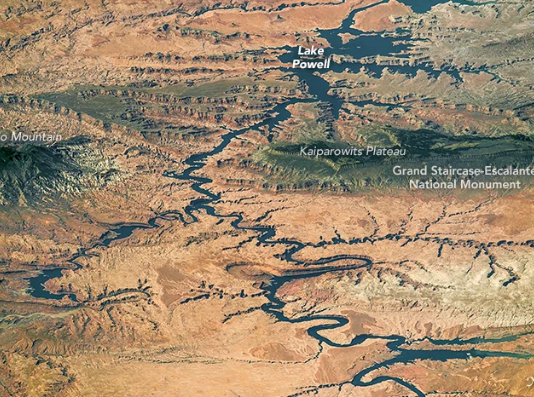
Once the plateau was uplifted, erosion began to play a critical role in its shaping. Water, wind, and ice gradually carved away rock and sediment, creating dramatic features like the Grand Canyon and Monument Valley. Over millions of years, the Colorado River and other waterways have continuously worn down the rocks, creating deep gorges and unique geological formations. This relentless natural process not only sculpted the area’s breathtaking beauty but also exposed various layers of ancient rock, revealing the geological history of the Earth.
Volcanic Activity and Unique Rock Formations
In addition to erosion, volcanic activity in the region contributed to the Colorado Plateau’s distinct landscape. Although most of the plateau is characterized by sedimentary rocks, volcanic eruptions in ancient times deposited igneous rocks that now add diverse textures and colors to the area. For instance, the San Francisco Peaks in Arizona, remnants of a volcanic range, rise significantly above the surrounding plateau and offer a striking contrast to the flat landscape. This combination of volcanic and sedimentary features creates a rich tapestry of geological wonders that is both visually stunning and scientifically significant.
In conclusion, the Colorado Plateau is a striking example of how tectonic forces, erosion, and volcanic activity have shaped our planet over millions of years. Its unique geographical features not only serve as a testament to the power of nature but also provide invaluable insights into geological history. If you’re intrigued by the wonders of this region, consider taking a trip to explore its diverse landscapes or diving deeper into geological studies. There’s always more to discover!