
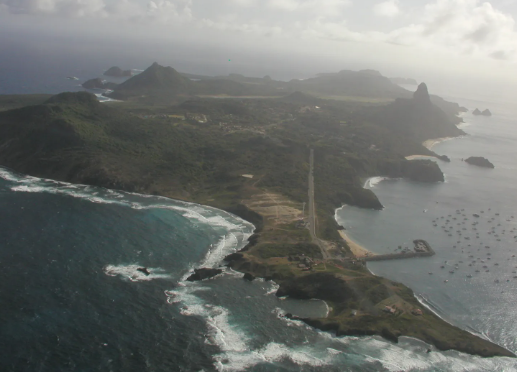
Fernando de Noronha is a stunning volcanic archipelago located in the Atlantic Ocean, off the northeastern coast of Brazil. Known for its breathtaking natural beauty and rich biodiversity, the island serves as both a popular tourist destination and a vital environmental sanctuary.
1. Geological Origins of Fernando de Noronha
The geological history of Fernando de Noronha is fascinating, dating back approximately 12 million years to the Miocene epoch. The island was formed through a series of volcanic eruptions that created the unique formations we see today. These eruptions were primarily due to tectonic plate movements in the South Atlantic Ocean, leading to the buildup of volcanic rock, which has since been shaped by weathering and erosion.
Understanding the volcanic origin helps in recognizing the island’s lush and diverse flora and fauna. The volcanic soil is rich in nutrients, making it ideal for various plants and trees, some of which are endemic to the island. The combination of volcanic activity and oceanic erosion has given rise to dramatic cliffs and beautiful beaches, making it a visual paradise.
-
- Explore the island’s topography by visiting its volcanic formations.
-
- Learn about the geological processes that shaped the region.
-
- Observe how vegetation is adapted to the volcanic soil.
-
- Investigate local geology with guided tours.
2. Geographic Features and Biodiversity
Fernando de Noronha consists of 21 islands and islets, with a total land area of about 26 square kilometers. The main island houses diverse ecosystems, including sandy beaches, cliffs, and a variety of marine habitats. The surrounding waters are home to rich coral reefs and numerous species of fish, making it an ideal spot for snorkeling and diving enthusiasts.
The archipelago is a UNESCO World Heritage site, which signifies its importance in terms of biodiversity. It serves as a sanctuary for endangered species, including the hawksbill turtle and the brown booby bird. The unique mixture of ecosystems ranging from mangroves to dry forests provides vital habitats for numerous endemic species, enriching its ecological value.
-
- Visit the Marine National Park for underwater encounters.
-
- Participate in guided eco-tours to learn about local biodiversity.
-
- Respect wildlife by following guidelines laid out by the park authorities.
-
- Bring snorkeling gear to explore the vibrant marine life.
3. Climate and Environmental Considerations
The climate of Fernando de Noronha is classified as tropical, with a wet season from December to August and a dry season from September to November. The average temperature ranges from 24°C to 30°C, making it a pleasant destination year-round. Rainfall is heaviest during the wet season, which helps sustain the lush vegetation of the island.
Given its biodiversity and geological uniqueness, it is crucial to consider the environmental impact of tourism. Sustainable practices are essential to preserve the island’s delicate ecosystems. Visitors are encouraged to follow eco-friendly guidelines, such as minimizing waste and respecting wildlife habitats.
-
- Check weather forecasts before planning your visit.
-
- Conserve water and energy during your stay.
-
- Use biodegradable products to minimize environmental impact.
-
- Participate in local conservation initiatives, if available.
Fernando de Noronha is a site of incredible natural beauty, formed by a fascinating blend of geological processes. With its stunning landscapes and rich biodiversity, it offers a unique experience for those who visit. As you plan your trip, keep in mind the need for responsible tourism to help preserve this magnificent destination for future generations.
To fully appreciate all that Fernando de Noronha has to offer, consider participating in local guided tours that showcase its ecology and history. By doing so, you’ll gain a deeper understanding of this volcanic wonder and contribute to its conservation efforts.