
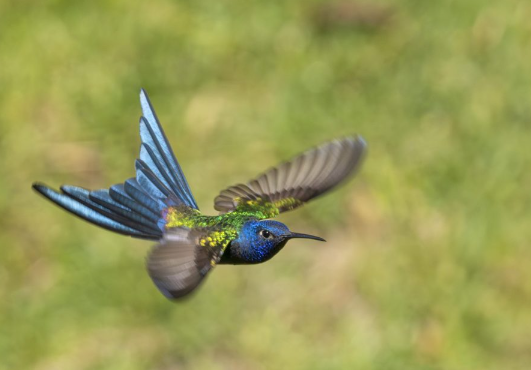
The Atlantic Forest, stretching along the Atlantic coast of Brazil, Paraguay, and Argentina, is one of the most biodiverse ecosystems in the world. This unique region is home to a plethora of species that cannot be found anywhere else, making it an essential focus for conservation efforts and scientific research.
In this blog post, we will explore some of the rare endemic animals and plants of the Atlantic Forest. Understanding these species not only highlights their ecological importance but also underscores the urgency of conservation efforts.
1. Unique Fauna of the Atlantic Forest
The Atlantic Forest is teeming with unique animals, many of which are critically endangered. For example, the golden lion tamarin is a small primate known for its striking golden fur and lively demeanor. Found only in this region, these tamarins face severe threats from habitat loss and fragmentation, making conservation initiatives critical to their survival.
Another remarkable species is the Brazilian three-banded armadillo, which is unique for its ability to roll into a ball as a defense mechanism. This fascinating animal is primarily nocturnal and relies on the rich biodiversity of the forest for food. Preservation of their natural habitat is essential, as urban development and agricultural expansion continue to threaten their numbers.
-
- Support local conservation organizations working to protect these species.
-
- Participate in or promote educational programs about endemic wildlife.
-
- Advocate for sustainable land management practices to protect habitats.
-
- Engage in ecotourism that emphasizes wildlife observation and conservation.
2. Endemic Flora of the Atlantic Forest
Alongside its diverse fauna, the Atlantic Forest boasts a rich variety of plants, many of which are endemic. One standout species is the Brazilian rosewood, valued for its beautiful wood and fragrance. Unfortunately, this tree has faced heavy logging and is now classified as endangered. Efforts to cultivate and protect existing rosewood populations are vital for the survival of this iconic species.
Another remarkable plant is the carnivorous pitcher plant, which thrives in the nutrient-poor soils of the forest. It captures and digests insects to obtain essential nutrients. These fascinating plants not only contribute to the biodiversity of the region but also serve as indicators of environmental health, showing how ecosystem changes can affect plant life.
-
- Plant native species in your garden to support local ecosystems.
-
- Purchase sustainably sourced wood products to minimize deforestation.
-
- Participate in community planting events to restore native flora.
-
- Learn about the importance of biodiversity and share knowledge with others.
3. Conservation Challenges and Solutions
The Atlantic Forest faces numerous challenges, including deforestation, illegal logging, and agricultural expansion. These activities not only threaten endemic species but also disrupt the ecological balance of the region. As habitats are destroyed, animals and plants struggle to survive, resulting in decreased biodiversity and ecosystem services.
To counter these threats, conservation organizations are implementing various strategies, including the establishment of protected areas and reforestation initiatives. Educating local communities about the importance of biodiversity and involving them in conservation efforts can lead to more sustainable practices, benefiting both people and wildlife. Collaborative partnerships between governments, NGOs, and local communities are essential for effective long-term conservation.
-
- Support policies that promote sustainable land use and conservation.
-
- Engage in local community conservation initiatives.
-
- Reduce paper and wood consumption to lower demand for logging.
-
- Stay informed about the ecological importance of the Atlantic Forest.
In conclusion, the Atlantic Forest is a vital and irreplaceable ecosystem, rich in endemic species that are both fascinating and crucial to ecological balance. By taking action through conservation efforts and promoting awareness, we can contribute to protecting this unique environment for future generations. Consider getting involved in conservation activities or educating others about the significance of this mesmerizing biome.