
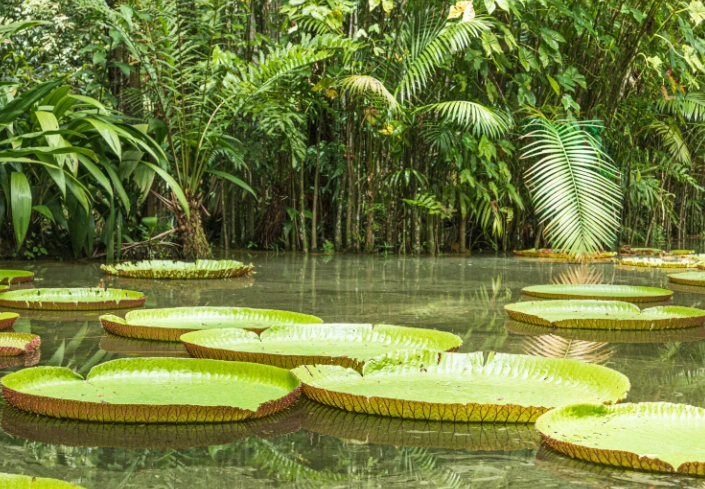
The Amazon Rainforest, often referred to as the “lungs of the Earth,” is a treasure trove of biodiversity, home to millions of species that contribute significantly to the planet’s ecosystems. Its sheer size and complexity make it a critical area for ecological studies and conservation efforts. Understanding its biodiversity hotspots and the secrets of its ecosystems can inspire protection efforts and educate us about our natural world.
1. Biodiversity Hotspots in the Amazon Rainforest
The Amazon Rainforest is renowned for its staggering biodiversity, containing about 10% of all known species on the planet. Among its many biodiversity hotspots, areas such as the western Amazon, flooded forests, and the Andes foothills stand out. These regions alone are home to thousands of plant, animal, and insect species, many of which are endemic, meaning they exist nowhere else on Earth.
- Visit protected areas like Yasuni National Park to learn about local biodiversity.
- Support conservation organizations that work in these hotspots.
- Engage in citizen science projects to monitor local wildlife.
- Educate yourself and others about the importance of biodiversity in your region.
- Promote sustainable practices that protect habitats.
2. Ecosystem Secrets of the Amazon Rainforest
One of the most fascinating secrets of the Amazon is its intricate web of ecosystems. From towering canopy layers to the forest floor, each layer plays a specific role in supporting the entire rainforest system. For instance, the canopy not only houses a diverse range of species but also plays a key role in regulating temperature and maintaining humidity within the forest.
Another critical ecosystem feature is the Amazon River and its tributaries, where aquatic life flourishes. This river system serves as a lifeline for countless fish species and transports nutrients that sustain the forest’s diverse flora and fauna. The interaction between land and water creates a balanced ecosystem that is vital for maintaining the health of the rainforest.
- Study the functions of different forest layers in maintaining biodiversity.
- Explore the relationship between aquatic and terrestrial ecosystems.
- Participate in local conservation activities to help protect these ecosystems.
- Consider ways to minimize your own ecological footprint.
- Learn about the indigenous cultures that understand these ecosystems intuitively.
3. Threats to Amazon’s Biodiversity and Ecosystems
Despite its richness, the Amazon faces numerous threats that jeopardize its biodiversity and ecological balance. Deforestation for agriculture, logging, and urban development has resulted in habitat loss, affecting the lives of countless species. Additionally, climate change poses a significant risk, altering rainfall patterns and increasing temperatures that disrupt established ecosystems.
Moreover, pollution from industry and mining can contaminate the soil and waterways, endangering both terrestrial and aquatic life. Every year, new initiatives are launched to tackle these issues, but they require global cooperation and significant public awareness to make a lasting impact.
- Advocate for policies that protect forest areas from deforestation.
- Participate in reforestation efforts to restore damaged habitats.
- Reduce plastic use to help minimize pollution.
- Support sustainable farming initiatives to lessen agricultural impact.
- Engage in local discussions about climate change and conservation.
4. The Role of Indigenous Peoples in Conservation
Indigenous communities have inhabited the Amazon for centuries and have developed profound understanding and respect for their environment. They play a fundamental role in conservation efforts through traditional knowledge that benefits biodiversity protection strategies. Indigenous practices often focus on sustainable resource management, allowing ecosystems to thrive while providing for their communities.
For instance, the Ashaninka people in Peru and Brazil utilize sustainable fishing and hunting practices that maintain animal populations, while also conserving forest resources. Integrating indigenous wisdom with modern conservation tactics can offer innovative solutions to pressing environmental issues in the Amazon.
- Learn about local indigenous practices and their impact on the environment.
- Support indigenous rights and conservation efforts.
- Buy from indigenous artisans and businesses to promote sustainable economies.
- Attend workshops or events to educate yourself on indigenous ecological knowledge.
- Collaborate with indigenous groups for community-led conservation projects.
As we explore the incredible biodiversity and intricate ecosystems of the Amazon Rainforest, we must also recognize our responsibility to protect and preserve these natural wonders. Engaging in conservation efforts, supporting indigenous rights, and promoting sustainable practices are essential steps we can take to ensure that the Amazon continues to thrive for generations to come. Let’s work together to safeguard this vital global resource!