
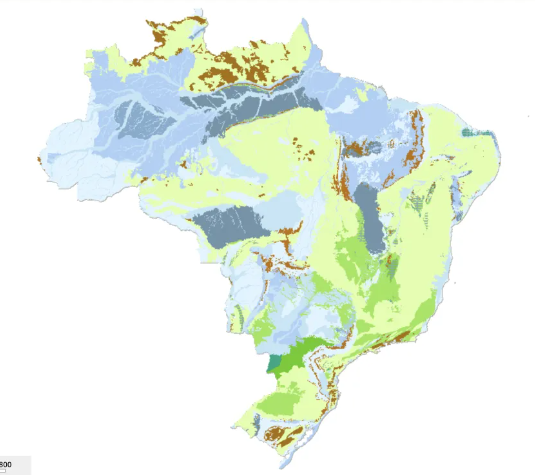
Brazil boasts one of the most extensive and intricate hydrological networks in the world. Its river density not only serves vital ecological functions but also reflects the complex geographical and climatic conditions of the region. This post will explore how Brazil’s river density compares to global standards and what this means for both the environment and society.
1. Understanding Brazil’s River Density
The river density in Brazil is measured by the total length of rivers per unit area, which is especially notable in the Amazon basin. This basin contains the largest river network in the world, with an impressive array of tributaries and streams weaving through lush forests and diverse landscapes. The sheer vastness of this network supports a rich variety of ecological systems and is crucial for the water supply of millions of people.
Brazil’s river density is relatively high when compared to global averages. Regions like the Amazon have a river density exceeding 1 km/km², which encourages diverse wildlife and supports local economies. However, this river network faces challenges like deforestation and pollution, threatening its ecological balance and the communities that depend on it.
-
- Research Brazil’s major river systems: Amazon, Paraná, and São Francisco.
-
- Understand the significance of wetland areas like the Pantanal.
-
- Explore how river density impacts local biodiversity.
-
- Keep track of ongoing conservation efforts in Brazilian rivers.
2. Global River Density Comparison
When comparing river density on a global scale, Brazil stands out among countries with significant river systems. For instance, Canada, known for its lakes and rivers, has a lower river density than Brazil, primarily due to its vast land area that isn’t covered by flowing water. In contrast, Brazil, particularly the Amazon region, offers a more concentrated network of waterways, which often leads to higher biodiversity.
Studies have shown that countries like the Democratic Republic of Congo and Russian Federation also have high river densities, but the ecological roles these rivers play can differ greatly. For instance, while Brazil’s rivers provide extensive habitats for both aquatic and terrestrial species, the rivers in Siberia primarily influence permafrost ecosystems and local indigenous cultures. Understanding these variations is essential for global water management and conservation strategies.
-
- Compare river density figures with other major river basins.
-
- Investigate the role of rivers in different ecosystems.
-
- Analyze how regional climates affect river formation.
-
- Look into the socioeconomic implications of river density for countries.
3. Environmental and Societal Impacts
The high river density in Brazil has profound environmental implications. The myriad waterways facilitate nutrient cycling and provide essential habitats for fish, birds, and other wildlife. Moreover, these waterways are vital to indigenous communities and local economies, offering resources for fishing, transportation, and tourism, which all contribute to Brazil’s economy.
However, the environmental impacts are coupled with significant threats. Deforestation for agriculture and urban development leads to increased sedimentation and pollution in rivers, disrupting aquatic life and harming water quality. Climate change exacerbates these challenges, resulting in altered rainfall patterns and potential flooding. Hence, the rivers serve both as lifeblood and as indicators of environmental health.
-
- Participate in local clean-up efforts to help protect river ecosystems.
-
- Advocate for sustainable land use and conservation policies.
-
- Educate others about the importance of water conservation.
-
- Support organizations working on river restoration projects.
4. Future Directions for Brazil’s Hydrology
Looking ahead, Brazil’s hydrological management will require innovative strategies to address pollution, manage water resources, and preserve ecosystems. Sustainable practices such as reforestation along riverbanks and stricter regulations on wastewater discharge can enhance the health of these river networks. Moreover, integrating traditional knowledge from indigenous communities can bolster these efforts.
Technological advancements, such as remote sensing and geographic information systems (GIS), can help map and monitor river changes over time. Furthermore, cross-border cooperation with neighboring countries is essential to manage and protect trans-boundary rivers effectively. This holistic approach will ensure that Brazil’s waters continue to nourish its rich biodiversity and support its people.
-
- Stay informed about government initiatives on water management.
-
- Explore innovative solutions like green infrastructure.
-
- Engage with local communities for collaborative projects.
-
- Monitor changes in river health and biodiversity actively.
In conclusion, Brazil’s hydrological network is a treasure trove of natural resources and biodiversity, deserving of careful study and protection. Understanding its river density and implications can lead to better conservation efforts that benefit both the environment and the people. Take the next step by educating yourself and others about the importance of preserving these vital waterways for future generations.