
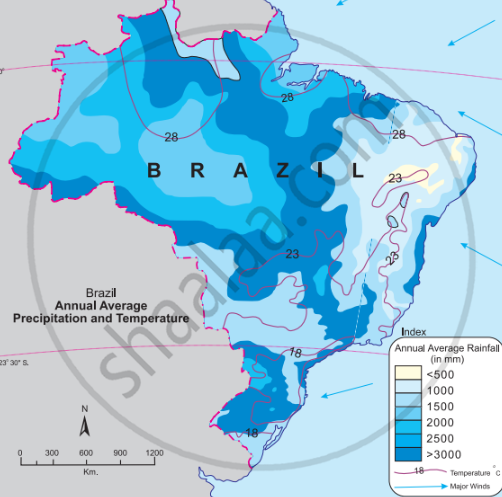
Brazil is a vast country known for its rich biodiversity and varying climate zones. Understanding the different climatic regions—tropical, subtropical, and transitional patterns—can help locals and travelers alike appreciate the country’s unique environment and plan their activities accordingly.
1. The Tropical Zone
The tropical zone of Brazil primarily encompasses the northern regions, including the Amazon Rainforest. Characterized by high temperatures and substantial annual rainfall, this area benefits from an equatorial climate that promotes rich biodiversity. The Amazon experiences approximately 2,000 millimeters of rain per year, making it one of the wettest places on Earth. This climate supports an incredible variety of flora and fauna, many of which are endemic to the region.
The tropical climate in Brazil signifies not only lush vegetation but also the need for sustainable development. With increasing deforestation and climate change, the delicate balance of ecosystems is at risk. Efforts are being made through sustainable farming practices and eco-tourism to protect these vital areas. Understanding local climate patterns is essential for effectively engaging with these initiatives.
-
- Explore the Amazon through guided eco-tours for a sustainable experience.
-
- Learn about the local flora and fauna to appreciate their ecological significance.
-
- Practice responsible tourism by supporting local conservation efforts.
-
- Be aware of the climate’s impact on local communities and businesses.
2. The Subtropical Zone
Moving south, Brazil transitions into its subtropical regions, characterized by milder temperatures and distinct seasons. This zone includes southern states like Paraná and Santa Catarina, where winter temperatures can drop significantly compared to the tropical north. The subtropical climate offers a diverse landscape ranging from fertile plains to mountains, providing opportunities for agriculture, tourism, and outdoor activities.
In contrast to the rainforests of the north, the subtropical region faces challenges such as drought and agricultural demands. Farmers in this area often rely on irrigation and technology to maintain crop yields. Additionally, the presence of unique ecosystems, such as the Atlantic Forest, highlights the importance of conservation efforts for the flora and fauna, many of which are under threat due to urbanization and agriculture.
-
- Engage in local agriculture by visiting farms that implement sustainable practices.
-
- Support local businesses that prioritize eco-friendly products and tourism.
-
- Participate in community events focused on environmental awareness.
-
- Explore the variations in local wildlife through nature trails and parks.
3. Transition Zones and Its Effects
Transition zones in Brazil present a confluence of tropical and subtropical climates, creating diverse environments that are often rich in biodiversity. These areas experience fluctuating weather patterns and serve as critical habitats for various species. The region impacted by the Atlantic Forest, for instance, faces unique ecological threats due to invasive species and land conversion for agriculture.
Understanding the dynamics within these transition zones is crucial for studying climate resilience and adaptation strategies. Researchers and environmentalists are collaborating to develop programs aimed at restoring these ecosystems, which play a vital role in wildlife sustainability and carbon absorption. However, preserving these areas requires the collective effort of both local communities and policymakers.
-
- Stay informed about local conservation initiatives focused on transition zones.
-
- Community involvement can significantly impact environmental restoration efforts.
-
- Be mindful of your carbon footprint by adopting sustainable practices in your daily life.
-
- Engage in citizen science projects to help monitor local wildlife and habitat changes.
In conclusion, exploring the climate zones of Brazil reveals a complex interplay of ecosystems and communities. Whether you are a resident or a visitor, understanding these climatic variations can enhance your appreciation of the country’s natural beauty and encourage participation in conservation efforts. Consider getting involved in local initiatives to help protect this vibrant environment for future generations.