
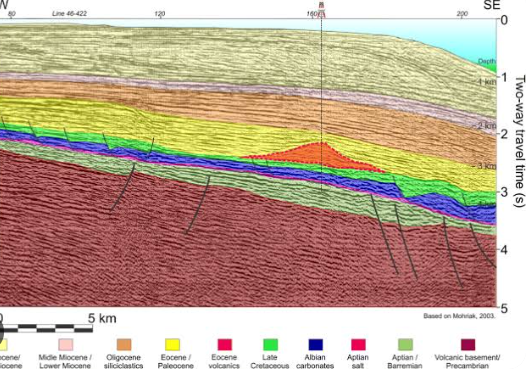
Brazil is known for its vibrant culture, lush rainforests, and expansive landscapes. However, one area that often gets overlooked is its geological landscape, particularly the absence of geothermal and volcanic features. Understanding the reasons behind this absence can provide insight into Brazil’s unique geological history.
1. Geological History of Brazil
The geological history of Brazil dates back more than 3 billion years, characterized primarily by the stabilization of the ancient cratons. Unlike many other regions, Brazil’s structures were less influenced by tectonic activity that leads to volcanic activity. The predominantly stable nature of the Brazilian Shield has resulted in fewer volcanic eruptions and geothermal features compared to, for instance, the Pacific Ring of Fire.
This stability creates a fascinating backdrop to Brazil’s geology. The country’s geological features are dominated by Precambrian rock formations, making them some of the oldest in the world. In contrast to volcanic landscapes, these formations are often flat and high-elevation plateaus, like the Brazilian Highlands, which showcase a completely different form of geological beauty.
-
- Study the Precambrian rock formations to appreciate their age and structure.
-
- Learn about the Brazilian Shield and its stability.
-
- Compare Brazil’s geological features with active volcanic regions.
-
- Explore local geological tours to observe unique rock formations.
2. Tectonic Activity and Its Consequences
The tectonic activity of an area significantly influences its geological features. In Brazil, the absence of active tectonic plate boundaries means fewer earthquakes, volcanic eruptions, and geothermal processes. Most of Brazil is situated away from the more dynamic boundaries of the South American Plate, which further explains the absence of volcanic activity. This has shaped the landscape into predominantly stable terrains.
This geological stability can attract visitors seeking a different type of beauty—vast plateaus, expansive river systems, and rich biodiversity. The absence of heat from geothermal activity allows for unique ecosystems to flourish, particularly in places like the Pantanal wetlands or the Amazon rainforest, where geothermal springs are rare. Understanding these conditions can deepen appreciation for Brazil’s diverse ecosystem.
-
- Research specific tectonic plates related to South America.
-
- Explore how tectonic inactivity affects local ecosystems.
-
- Visit geological parks to see the impacts of different geological histories.
-
- Engage with local experts or geological societies for deeper insights.
3. The Impact on Natural Resources
The absence of geothermal resources and volcanic activity also influences Brazil’s natural resource landscape. While many countries harness geothermal energy from hot springs or volcanic regions, Brazil relies heavily on hydroelectric power and biomass for energy. This has led to a significant investment in dam projects across rivers, contributing to a substantial portion of its energy matrix.
Moreover, the lack of volcanic soil, which is often highly fertile due to mineral enrichment, plays a role in the agricultural practices within Brazil. Farmers often need to employ fertilizers and other agricultural technologies to boost soil productivity. Understanding these factors can help one appreciate the distinct farming practices relative to regions that boast volcanic soils.
-
- Learn about Brazil’s energy resources and their global implications.
-
- Investigate how agriculture in Brazil adapts to geological conditions.
-
- Consider renewable energy alternatives and initiatives in Brazil.
-
- Support local farmers in sustainable agricultural practices.
4. Future Implications and Opportunities
As climate change continues to shape natural landscapes, Brazil’s geological stability could create unique opportunities. The country is exploring its potential for renewable energy sources outside of geothermal energy, particularly solar and wind. Moreover, the stable geological conditions provide a promising landscape for building infrastructure—roads, cities, and more—with reduced risks associated with volcanic hazards.
Educational opportunities abound as Brazil’s geological features present a living laboratory for students and researchers. Universities and research institutions are increasingly focusing on geological studies in Brazil, inviting both local and international scholars to explore its terrain. This growing interest serves to enhance our understanding of geosciences globally.
-
- Stay informed about Brazil’s renewable energy projects.
-
- Engage in educational programs focused on geology.
-
- Participate in local conservation efforts to protect unique landscapes.
-
- Promote awareness of Brazil’s geological significance in schools and communities.
In conclusion, Brazil’s unique geological landscape, free from geothermal and volcanic activities, offers a fascinating glimpse into its historical and ecological complexities. As interest in renewable energy and sustainable practices grows, there is a wonderful opportunity for exploration and understanding. If you’re interested in delving deeper into Brazil’s geology, consider consulting local experts or educational resources available in your area.