
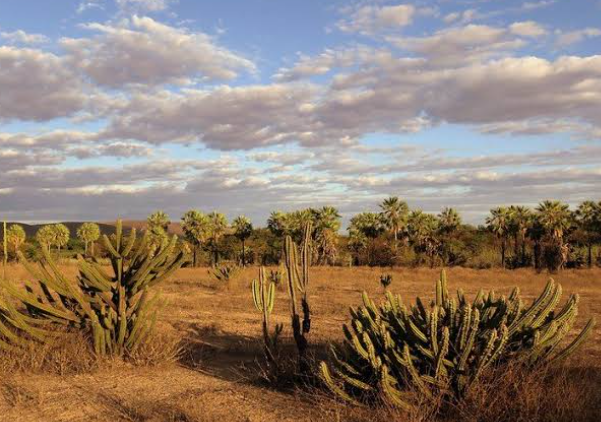
Brazil is often associated with lush rainforests and vibrant beaches, leading to misconceptions about its semi-arid ecosystems. The Caatinga is a unique biome that is neither a true desert nor a tropical rainforest, showcasing biodiversity, resilience, and an intricate balance with the environment. Let’s delve deeper into the realities of this fascinating ecosystem and clear up common misunderstandings.
1. Understanding the Caatinga’s Unique Climate
The Caatinga covers approximately 10% of Brazil, primarily found in the northeastern region of the country. It is characterized by a semi-arid climate, which means it experiences both wet and dry seasons but with lower precipitation than in tropical forests. The temperature can soar during the dry season, easily reaching over 40°C (104°F), while the short rainy season only lasts a couple of months, leaving much of the landscape dry and parched.
This seasonal change plays a crucial role in the lifecycle of various plants and animals. Many species have adapted to the harsh conditions by developing strategies to conserve water. For instance, the cacti and xerophytes shed their leaves during extreme droughts and store moisture in their stems instead. Understanding this unique climatic condition is essential for appreciating the Caatinga’s biodiversity and the survival strategies of its inhabitants.
-
- Explore local climate patterns to better understand seasonal changes.
-
- Learn about drought-resistant plant species native to the region.
-
- Investigate the impact of climate change on the Caatinga ecosystem.
-
- Consider participating in local environmental conservation efforts.
2. Rich Biodiversity: Not Just a Desert
Despite its dry appearance, the Caatinga is home to an impressive array of flora and fauna. More than 2,000 different plant species thrive here, with many endemic species not found anywhere else on Earth. Animals such as the endangered Brazilian three-banded armadillo and various bird species, including the canary, share the landscape alongside resilient plants. This biodiversity is crucial for maintaining ecological balance and supporting local economies.
The animals of the Caatinga have adapted their behaviors to survive with minimal water, often being nocturnal to avoid the daytime heat. The region also supports various subsistence farming practices where locals cultivate crops like cassava and maize, showcasing the coexistence of human activities with the ecosystem. This rich biodiversity reminds us that the Caatinga deserves recognition and protection.
-
- Research local wildlife to recognize regional species.
-
- Consider supporting conservation programs focused on preserving biodiversity.
-
- Attend guided tours led by local experts to learn more about the ecosystem.
-
- Engage in citizen science projects to contribute to biodiversity data collection.
3. The Role of Traditional Knowledge in Sustainable Practices
Indigenous communities have lived in harmony with the Caatinga for centuries, possessing invaluable traditional knowledge on sustainable practices. Their understanding of native plants and animals, as well as methods for water conservation, are crucial for maintaining ecological stability. Techniques such as crop rotation and agroforestry contribute not only to local food security but also to the preservation of the environment.
These communities also play a pivotal role in conservation efforts, often leading initiatives that educate others about the importance of protecting the Caatinga. By tapping into traditional ecological knowledge, modern conservation strategies can become more effective, ensuring the longevity of this unique ecosystem for future generations. Collaborating with local populations can help bridge the gap between modern science and traditional wisdom.
-
- Learn about traditional farming and survival techniques from local communities.
-
- Support indigenous rights and initiatives to protect their lands.
-
- Incorporate sustainable practices in your own life based on traditional knowledge.
-
- Participate in workshops or local events that promote indigenous culture and conservation.
In conclusion, the Caatinga is a rich and diverse ecosystem that challenges the common belief that all semi-arid areas lack life and vitality. By understanding and appreciating its unique characteristics, we can contribute to conservation and sustainability efforts. We encourage readers to engage with local experts, participate in meaningful actions, and foster a deeper appreciation for the beauty of Brazil’s Caatinga ecosystem.