
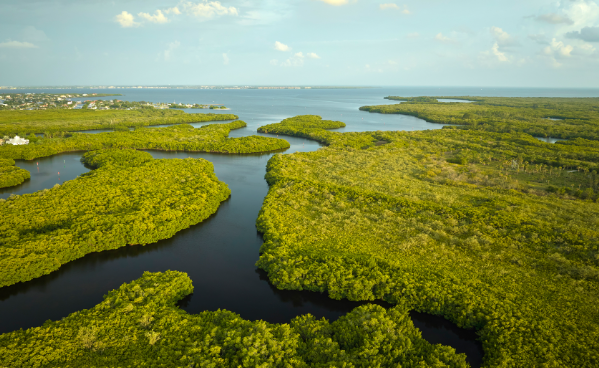
Recife, the vibrant capital of the state of Pernambuco in Brazil, is not only rich in culture but also blessed with unique geographical features, particularly its mangroves and urban coastal wetlands. These ecosystems play a significant role in maintaining ecological balance, serving as crucial habitats for diverse species, and providing essential services to the urban population. In this blog post, we will explore the intricate geography of Recife’s mangroves and wetlands, their ecological importance, and ways to engage with and protect these invaluable resources.
1. Understanding Recife’s Mangrove Ecosystem
Recife’s mangroves are primarily located along its coastal areas and estuaries, characterized by salt-tolerant trees and shrubs that thrive in intertidal zones. These ecosystems serve as a natural barrier against coastal erosion and flooding, protecting urban areas from storm surges. Moreover, mangroves act as breeding and nursery grounds for a plethora of marine life, including fish, crustaceans, and birds, making them critical for maintaining biodiversity in the region.
Mangroves are also valuable for their role in carbon sequestration, as they absorb significant amounts of CO2 from the atmosphere. This natural process helps combat climate change, making mangroves essential for environmental sustainability. Engaging with local organizations dedicated to mangrove conservation can foster a greater understanding of these ecosystems and promote their protection for future generations.
-
- Visit local mangrove areas with guided tours to learn about their biodiversity.
-
- Participate in tree-planting initiatives to help expand the mangrove habitat.
-
- Support local businesses that promote sustainable tourism in mangrove regions.
-
- Stay informed about conservation efforts and volunteer opportunities in Recife.
2. The Importance of Urban Coastal Wetlands
Urban coastal wetlands in Recife play a vital role in regulating water quality and maintaining the health of surrounding environments. These wetlands filter pollutants from runoff, thereby improving the overall health of marine ecosystems. They also provide essential services such as flood control by absorbing excess rainfall, which is particularly important in densely populated urban areas like Recife prone to flooding during heavy rains.
Additionally, these wetlands are crucial habitats for various species, providing food and shelter for migratory birds and other wildlife. Education about the significance of protecting these wetlands is essential for promoting sustainable urban development. Engaging with community groups focused on wetland preservation can create a collective effort to raise awareness and implement protective measures.
-
- Engage in local cleanup events to keep wetlands clean and free of debris.
-
- Educate others about the importance of wetlands for urban sustainability.
-
- Advocate for policies that protect wetlands from urban development.
-
- Support local conservation groups working on wetland preservation projects.
3. Challenges Facing Recife’s Mangroves and Wetlands
Despite their ecological importance, Recife’s mangroves and coastal wetlands face numerous challenges. Urbanization and industrial development often encroach upon these vital ecosystems, leading to habitat degradation and loss. Pollution from agricultural runoff and waste disposal also poses significant threats, impacting water quality and the health of plant and animal life in these regions.
In addition, climate change exacerbates the challenges faced by mangroves and wetlands. Rising sea levels and increased storm intensity threaten to submerge these ecosystems, resulting in the loss of biodiversity and the valuable services they provide. Awareness of these challenges is crucial for fostering community action and support for restoration efforts to combat environmental degradation.
-
- Participate in local environmental advocacy to address urban encroachment.
-
- Become educated about pollution sources affecting mangroves and wetlands.
-
- Support legislation aimed at conserving coastal ecosystems.
-
- Stay engaged in community discussions about climate adaptation strategies.
Recife’s mangroves and urban coastal wetlands are invaluable assets that contribute significantly to the city’s ecological health and urban resilience. By understanding their importance and challenges, individuals can take tangible actions to help protect these crucial environments. Explore ways to engage with local conservation efforts and advocate for sustainable practices to ensure these ecosystems thrive for future generations.