
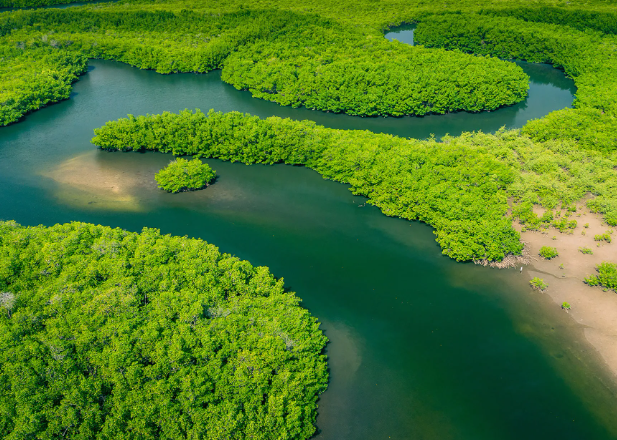
The Brazil Highlands Plateau, known as the Planalto, is not only a geographical marvel but also a crucial agricultural region. Its unique climate and vast landscapes significantly impact farming practices and crop diversity in the area.
1. Climate of the Brazil Highlands Plateau
The climate of the Brazil Highlands Plateau is characterized by a mix of tropical and subtropical elements. Altitude plays a significant role, as temperatures generally decrease with elevation. In the higher areas, temperatures can range from 10°C to 20°C, while the lower regions experience warmer averages of about 20°C to 25°C. This variation allows for a diversity of microclimates which affects agricultural productivity.
The region receives significant rainfall, typically between 800 to 2,000 millimeters annually, concentrated mainly in the summer months from December to March. This pattern not only determines the growing season but also influences water availability for crops. However, the plateau can also experience dry spells, leading to a need for irrigation in certain areas during the dry season.
-
- Understand local rainfall patterns for optimal planting.
-
- Utilize elevation data to choose the right crops for specific areas.
-
- Install irrigation systems where rainfall is insufficient.
-
- Monitor temperature variations to protect sensitive crops.
2. Agricultural Geography of the Highlands
The agricultural geography of the Brazil Highlands Plateau reflects the region’s diverse climate. It is primarily composed of extensive crop fields, pastureland, and forests. Major crops include soybeans, corn, and coffee, which thrive in the region’s unique conditions. The high plateaus are suitable for cultivating grains, while the lower valleys support plantations like coffee and citrus fruits, demonstrating a perfect example of agricultural diversification.
The plateau’s soil types also impact agriculture; much of it consists of well-drained, nutrient-rich soils ideal for farming. However, certain areas may suffer from erosion or nutrient depletion, which can hinder agricultural productivity. Sustainable farming techniques, including crop rotation and organic fertilizers, are increasingly adopted to enhance soil health and maintain productivity.
-
- Identify nutrient-rich soils for crop selection.
-
- Implement sustainable practices to prevent soil erosion.
-
- Diversify crops to spread risk and enhance resilience.
-
- Monitor soil health regularly for better yield.
3. Challenges and Opportunities in Highlands Agriculture
Despite the agricultural potential of the Brazil Highlands Plateau, farmers face several challenges. Climate change, with its unpredictable weather patterns, poses a significant threat. Increased frequency of droughts or heavy rains can disrupt planting schedules and affect crop yields. Additionally, pests and diseases can become more prevalent due to warmer conditions, further complicating farming efforts.
On the other hand, there are also numerous opportunities for innovation. Adoption of technology, like precision agriculture, can help farmers optimize resources, monitor crops more effectively, and reduce waste. Furthermore, the increasing demand for sustainable and organic products presents an avenue for farmers to explore niche markets, potentially leading to better income and sustainability.
-
- Stay informed about climate change impacts on crops.
-
- Embrace technological advancements in farming.
-
- Explore organic farming practices to tap into market trends.
-
- Network with other farmers to share best practices and strategies.
In conclusion, understanding the unique climate and agricultural geography of the Brazil Highlands Plateau is essential for maximizing productivity and sustainability in farming. By adapting to challenges and embracing new opportunities, farmers can thrive in this remarkable region. Consider consulting agricultural professionals to enhance your farming strategies and outcomes.