
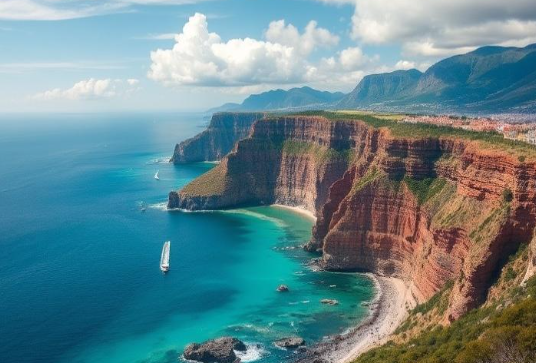
Salvador, the vibrant capital of Bahia, Brazil, is not just known for its rich cultural heritage but also for its stunning coastal geography and unique bay ecosystem. This coastal city boasts a wide variety of marine life and ecosystems, supported by its diverse habitats, from mangroves to coral reefs. Understanding Salvador’s coastal geography and ecosystem structure is crucial for both conservation efforts and enhancing the tourism experience.
1. Coastal Geography of Salvador
Salvador’s coastline stretches approximately 50 kilometers, characterized by numerous beaches, bays, and cliffs that make it a picturesque destination. The city is primarily situated on a high plateau, known as the Planalto, which descends steeply to the Atlantic Ocean. This geographical feature results in stunning overlooks and striking rock formations, providing an incredible backdrop for both locals and tourists alike.
The region’s coastal geography is shaped by the dynamic forces of wind, waves, and tides. These natural elements continuously sculpt the shoreline, creating sandy beaches, tidal pools, and rocky outcrops that influence local biodiversity. The Bay of All Saints, one of Brazil’s largest bays, lies adjacent to Salvador and hosts a variety of islands and waterways, serving as a crucial habitat for different species.
-
- Explore the coastline on foot to understand the rock formations.
-
- Visit diverse beaches like Porto da Barra or Praia do Forte.
-
- Document your observations of sea life and geological features.
-
- Engage with local guides who can explain more about the geography.
2. Bay Ecosystem Structure
The Bay of All Saints is a vibrant ecosystem that supports rich biodiversity, including fish, crustaceans, and marine mammals. This bay acts as a natural nursery for many aquatic species, providing shelter and food in its shallow waters. Mangroves, seagrasses, and coral reefs thrive in this area, contributing to the overall health of the ecosystem.
These habitats function as critical ecological zones; for instance, mangroves protect the coastline from erosion while acting as filtration systems for pollutants. Coral reefs provide shelter and feeding areas for various organisms, playing a vital role in the food web. Understanding these relationships is essential for conservation efforts, as they promote a balanced and thriving ecosystem.
-
- Take part in local clean-up events to protect the bay.
-
- Learn about the importance of biodiversity in coastal habitats.
-
- Support sustainable seafood by choosing eco-friendly restaurants.
-
- Establish a routine to minimize plastic use and waste.
3. Conservation Efforts and Challenges
Various organizations work tirelessly to raise awareness and conduct research on Salvador’s coastal and marine environments. Community engagement is essential, as local residents are often the first line of defense against environmental degradation. By understanding the challenges and participating in conservation activities, individuals can contribute to a healthier ecosystem for future generations.
-
- Participate in workshops focused on environmental conservation.
-
- Share knowledge about marine protection with family and friends.
-
- Advocate for policies that support eco-friendly development.
-
- Volunteer with local NGOs dedicated to ocean health.
Salvador’s coastal geography and bay ecosystem offer a remarkable insight into the interconnectedness of nature and human activity. By being informed and proactive, we can help preserve this unique environment for both wildlife and future generations. It is essential to engage with and support local conservation efforts or simply take time to explore and appreciate these beautiful coastal areas.