
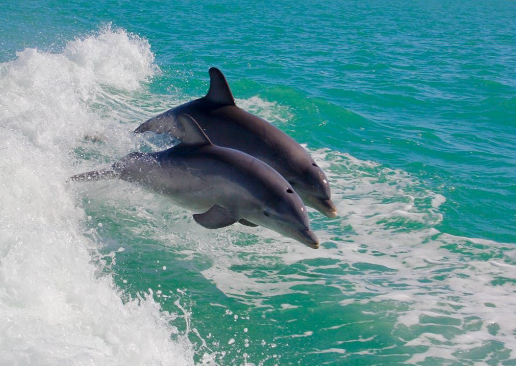
Fernando de Noronha, an exquisite archipelago located off the northeastern coast of Brazil, is an ecological treasure known for its vibrant marine life and stunning landscapes. Among its many marine inhabitants, dolphins, particularly the spinner dolphins, stand out for their playful behavior and social dynamics. This blog post delves into the dolphin habitats and the marine life studies conducted in this unique environment, revealing the intricate relationships among various species in this pristine ecosystem.
1. Understanding the Dolphin Habitats
The primary dolphin species in Fernando de Noronha is the spinner dolphin, known for its acrobatic displays and social behavior. These dolphins often congregate in shallow, warm waters surrounding the island, which provide ample opportunities for feeding and social interaction. The warm tropical waters are rich in fish, squid, and other marine organisms, making it an ideal habitat for these intelligent creatures.
The coastline features protected areas that serve as critical breeding and nursery grounds for these dolphins. The surrounding marine environment includes coral reefs and rocky outcrops, which help promote biodiversity and provide shelter for various marine species. The underwater landscape varies significantly from shallow bays to deeper waters, creating rich ecosystems teeming with life.
-
- Respect local wildlife regulations to protect dolphin habitats.
-
- Participate in eco-friendly tours that prioritize dolphin welfare.
-
- Observe dolphins from a distance to minimize disturbances.
-
- Visit during early morning or late afternoon for the best chance to see dolphins.
2. Marine Life Studies Conducted in Fernando de Noronha
Marine life studies in Fernando de Noronha focus on understanding the complex interrelations between different species in this biodiverse region. Research teams frequently collect data on dolphin behavior, habitat use, and population dynamics, contributing valuable insights into marine biology and conservation strategies. These studies are pivotal in shaping policies aimed at protecting the archipelago’s ecosystems.
One notable research project involved tracking the social structures of spinner dolphin pods. By using underwater recording devices and visual observations, researchers learned about their communication methods, foraging practices, and how they interact within their pods. Such comprehensive studies not only deepen our understanding of dolphin behavior but also help raise awareness about the need for environmental protection in the region.
-
- Engage with local research initiatives to support marine conservation.
-
- Attend educational workshops or presentations about marine life.
-
- Follow ongoing studies and findings to stay informed.
-
- Volunteer for community efforts focused on ocean sustainability.
3. The Importance of Conservation Efforts
Conservation efforts in Fernando de Noronha are essential to maintain the health of its marine ecosystems and ensure the survival of its dolphin populations. Overfishing, pollution, and climate change pose significant threats to marine biodiversity, making continuous monitoring and protective measures critical. Local organizations and government authorities have implemented several conservation strategies to safeguard the region’s delicate environment.
One successful initiative has been the establishment of the Fernando de Noronha Environmental Protection Area, which restricts fishing and other activities that may harm the dolphins and their habitats. By prioritizing sustainable tourism and responsible fishing practices, locals aim to preserve the islands’ natural beauty while fostering economic growth through eco-tourism. These collective efforts demonstrate the significant impact that informed policies and community action can have on biodiversity.
-
- Support local eco-tourism initiatives to promote sustainable practices.
-
- Educate yourself and others about the importance of marine conservation.
-
- Reduce plastic usage to help minimize ocean pollution.
-
- Participate in beach clean-up events to protect marine habitats.
In conclusion, the rich dolphin habitats and ongoing marine life studies in Fernando de Noronha highlight the significance of preserving this ecological wonder. By engaging with conservation efforts and understanding the intricacies of marine interactions, you can contribute to the sustainability of this beautiful archipelago. Consider participating in local initiatives or simply learning more about the vibrant life underwater next time you visit.