
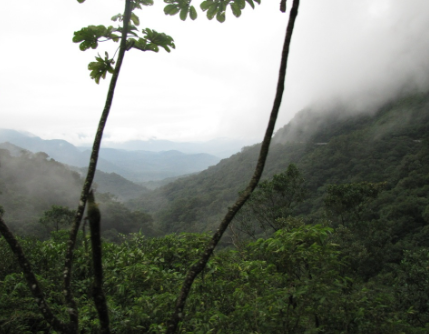
The Serra do Mar, stretching alongside Brazil’s southeastern coast, is a biogeographical marvel. This mountain range is rich in biodiversity with unique ecosystems influenced by varying altitudes.
1. Unique Biodiversity in Serra do Mar
The Serra do Mar is one of the most biodiverse regions in the world. It is home to an astonishing array of flora and fauna, many of which are endemic, meaning they can only be found in this specific region. For example, the Atlantic Forest, which the Serra do Mar is a part of, plays host to over 20,000 plant species, and many rare animals such as the golden lion tamarin and the Brazilian merganser. This biodiversity is essential, not only for ecological balance but also for cultural and scientific research.
The altitudinal gradient in Serra do Mar creates distinct ecological niches. As you ascend from the coastal lowlands to the higher altitudes, the climate changes dramatically, leading to variations in vegetation and wildlife. At lower altitudes, the climate is humid and warm, fostering lush evergreen forests. As altitude increases, however, you will find cloud forests populated by a variety of ferns, lichens, and orchids, along with species of birds that thrive in cooler, damp conditions.
-
- Explore the regions of Serra do Mar to discover unique species.
-
- Participate in local conservation efforts to help protect biodiversity.
-
- Learn about the importance of endemic species.
-
- Support ecotourism initiatives that promote sustainable practices.
2. The Importance of Altitude Ecosystem Variation
Altitude significantly influences climate and soil types, making the ecosystems of Serra do Mar quite diverse. Each altitude presents unique conditions that shape the life forms inhabiting those areas. For instance, higher altitudes experience cooler temperatures and increased rainfall, which support a distinct set of flora and fauna compared to the maritime climate at lower elevations. Understanding these differences is crucial for ecological studies and biodiversity conservation.
<pAdditionally, the variations in habitat due to altitude create a complex web of interactions among species. For example, certain species may rely on specific plants for food, while others might use them for shelter. Changes in altitude can lead to microhabitats that can be critical for species survival, particularly in the face of climate change. The adaptations resulting from these diverse environments make the study of altitude ecosystems vital to understanding evolutionary processes.
-
- Conduct local field studies to observe altitude-based species interactions.
-
- Document different plant types at various altitudes to see ecological transitions.
-
- Promote educational programs about altitude’s effects on biodiversity.
-
- Engage with local scientists or ecologists for expert insights.
3. Conservation Challenges and Opportunities
Despite its wealth of biodiversity, Serra do Mar faces numerous threats, including deforestation, urbanization, and climate change. The expansion of agriculture and infrastructure projects has fragmented habitats, putting immense pressure on wildlife. Furthermore, climate change can alter rainfall patterns and temperature regimes, which may further challenge species that are adapted to specific habitats. Addressing these issues requires coordinated conservation strategies.
Fortunately, various organizations and initiatives are dedicated to the conservation of Serra do Mar’s ecosystems. Protected areas have been established to safeguard important habitats, and environmental education programs are designed to raise awareness among local communities and tourists alike. Collaboration between governmental, non-governmental organizations, and local stakeholders plays a key role in successful conservation efforts.
-
- Participate in local conservation programs and initiatives.
-
- Advocate for policies that support rainforest protection.
-
- Stay informed about environmental changes in the region.
-
- Volunteer for reforestation or habitat restoration projects.
In conclusion, the Serra do Mar region offers a fascinating glimpse into the complexities of biodiversity and the significant impact of altitude on ecosystems. Engaging with this natural wonder through responsible activities can contribute to its preservation. Consider supporting local conservation efforts and increasing your awareness of environmental issues in this rich and diverse area.