
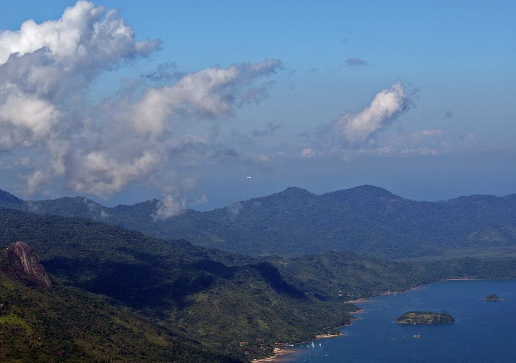
The Serra do Mar mountain range, which runs along the southeastern coast of Brazil, plays a crucial role in shaping the climate and environment of the surrounding coastal areas. Its unique topography and ecology create diverse weather patterns, influencing everything from rainfall to temperature and humidity along the coastline.
1. The Role of Serra do Mar in Weather Patterns
The Serra do Mar acts as a natural barrier, capturing moisture-laden winds from the Atlantic Ocean. As these winds ascend the slopes of the mountains, they cool down, leading to condensation and precipitation. This phenomenon results in heavy rainfall in the coastal areas, often making them lush and verdant. In contrast, the regions sheltered from these winds on the opposite side of the mountains tend to experience drier conditions, leading to distinct ecological zones.
This difference creates a rich variety of ecosystems on either side of the mountains. Coastal forests thrive in the humid, rain-soaked air, while the drier interior offers a completely different landscape, characterized by scrublands and less dense vegetation. This ecological diversity not only supports local wildlife but also influences agricultural practices and water resources for the nearby communities.
-
- Understand the importance of altitude in weather conditioning.
-
- Observe the differing ecosystems on either side of the mountains.
-
- Research local weather patterns impacted by the Serra do Mar.
-
- Identify potential agricultural opportunities based on rainfall variations.
2. Impacts on Coastal Climate and Microclimates
The climate on Brazil’s coastline is significantly influenced by the presence of the Serra do Mar, creating various microclimates along its expanse. Areas closer to the mountains experience milder temperatures and increased humidity, while those that are farther away can be hot and dry. This variance directly affects the types of plants and animals that can thrive in each region, leading to a vibrant mix of biodiversity along the coast.
In many beach towns along the coast, residents benefit from the cooler breezes that flow down from the mountains, making these places popular tourist destinations, especially in the hotter summer months. Conversely, valleys that lie directly behind the mountains might experience warmer, more stagnant air, which can influence local weather variations, such as increased temperatures and reduced rainfall.
-
- Explore local flora and fauna adapted to different coastal climates.
-
- Consider visiting both coastal and inland areas for contrasting experiences.
-
- Embrace sustainable tourism practices to preserve biodiversity.
-
- Document local climatic effects for personal or community projects.
3. Effects of Climate Change on the Serra do Mar and Brazilian Coastline
Additionally, the intricate relationship between the mountains and the atmosphere is shifting. Fewer predictable weather patterns may exacerbate the risks of extreme weather events such as intense storms or droughts. Communities are now tasked with adapting to these changes by implementing more resilient strategies for agriculture and infrastructure while also protecting the unique biodiversity fostered by the Serra do Mar.
- Stay informed about local climate change impacts and actions.
- Engage in community discussions about sustainability and adaptation measures.
- Invest in programs that focus on habitat restoration and protection.
- Advocate for policies supporting environmental conservation.
In conclusion, understanding the Serra do Mar’s influence on the Brazilian coastline is essential for appreciating the unique ecological and climatic systems at play. Whether you’re a resident or a visitor, recognizing these dynamics can help you make informed decisions about engaging with this beautiful landscape. Consider consulting local experts or participating in community initiatives to further support environmental resilience in this region.