
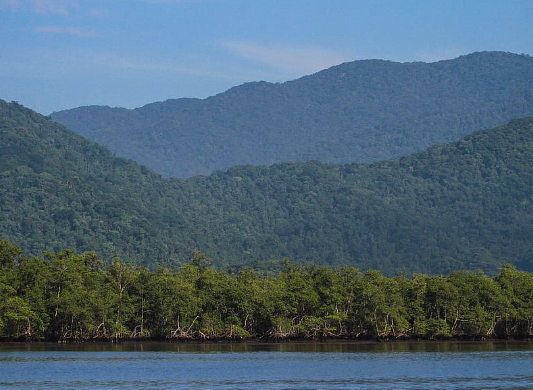
The Serra do Mar coastal cliffs offer a breathtaking view of nature’s beauty, seamlessly transitioning between lush rainforest ecosystems and majestic cliffs. This unique area is not only a sight to behold but also plays a crucial role in biodiversity and conservation efforts in Brazil.
1. The Geography of Serra do Mar
The Serra do Mar extends along the southeastern coast of Brazil, a region marked by steep cliffs, dense forests, and a variety of ecosystems. The coastal cliffs rise dramatically from the Atlantic Ocean, creating striking landscapes that provide a habitat for diverse fauna and flora. The transition zone between the rainforest and the cliffs is particularly unique, as it supports species adapted to both moist, forested environments and the more exposed conditions found atop the cliffs.
This geographic setting presents multiple microclimates, which significantly impacts local weather patterns, ensuring that rainforests receive the moisture they need to thrive. The topography—embodying ridges, valleys, and steep slopes—creates a dynamic environment that influences plant and animal life. This is part of what makes the Serra do Mar a UNESCO World Heritage site, recognized for its exceptional natural beauty and ecological importance.
-
- Explore different trails to appreciate the geography.
-
- Take notes on various microclimates you encounter.
-
- Use a map to identify key geographic features.
-
- Respect nature by staying on designated paths.
2. Biodiversity Across the Transition Zone
The biodiversity in the Serra do Mar is remarkable, thanks to its varying altitudes and climate. Many endemic species thrive here, meaning they are not found anywhere else on Earth. The dense rainforests are home to an array of tropical plants, mammals, birds, and insects, all uniquely adapted to this environment. Meanwhile, the rocky cliffs provide nesting sites for seabirds, adding another layer to the ecological web.
This transition zone serves as a vital corridor for species movement, allowing wildlife to migrate between oceanic and terrestrial ecosystems. For example, the endangered golden lion tamarin can be found in the rainforests, while various raptors glide along the windswept cliff faces. Understanding and protecting this biodiversity is essential for ecosystem health and resilience, which is why local conservation efforts are so crucial.
-
- Join guided tours to learn about local species.
-
- Participate in citizen science projects to help track biodiversity.
-
- Visit conservation centers for more in-depth knowledge.
-
- Observe wildlife quietly, minimizing human impact.
3. Conservation Efforts in the Area
Conserving the Serra do Mar’s unique ecosystems requires coordinated efforts from governments, NGOs, and local communities. Protected areas have been established to safeguard both the cliffs and the rainforests, but challenges such as deforestation and pollution still threaten this important zone. Sustainable tourism practices are promoted to balance economic benefits with environmental protection, signaling a commitment to preserving this natural wonder for future generations.
Within conservation initiatives, education is key; locals and visitors alike are encouraged to engage in responsible practices that minimize impact. Awareness campaigns around the importance of biodiversity, along with efforts to combat illegal logging, are fundamental strategies being used. Such actions not only protect the flora and fauna but also enhance the overall health of the ecosystem.
-
- Volunteer with local conservation projects.
-
- Support eco-friendly businesses in the region.
-
- Advocate for policies protecting natural habitats.
-
- Learn about the flora and fauna to share knowledge with others.
Connecting with nature in the Serra do Mar coastal cliffs and rainforest transition zone not only enriches your experience but also contributes to the conservation of this incredible biodiversity hotspot. Take some time to explore responsibly, educate yourself, and support efforts to protect this beautiful region.