
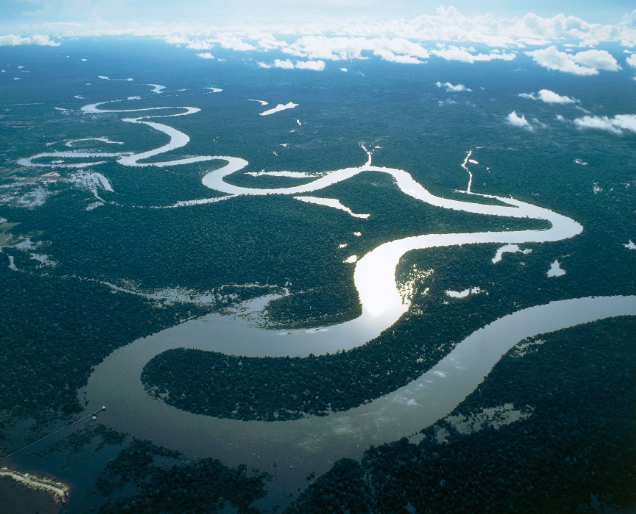
The Amazon River is often celebrated as the longest river in the world, a title that ignites curiosity and admiration. This majestic waterway not only defines the landscape of South America but also intricately weaves together ecosystems, cultures, and economies. In this blog post, we will uncover fascinating facts about the Amazon River and explore its crucial navigation routes.
1. Unique Characteristics of the Amazon River
The Amazon River stretches approximately 4,345 miles, making it one of the most extensive river systems on the planet. Originating in the Andes Mountains in Peru, it flows eastward across northern Brazil before emptying into the Atlantic Ocean. What differentiates this river is its vast drainage basin, which spans an area of about 2.7 million square miles, making it the largest in the world. The river’s immense size and flow create a unique environment that supports one of the richest ecosystems globally.
Moreover, the Amazon River has several branches, tributaries, and an enormous floodplain, which contributes to its biodiversity. It’s home to thousands of species of fish, birds, and mammals, some of which are found nowhere else on Earth. The river’s varying depths and widths mean that navigation conditions can change significantly, making it crucial for local communities and researchers to understand these characteristics for effective navigation and conservation efforts.
-
- Explore different parts of the river to observe biodiversity.
-
- Keep an eye on seasonal changes that affect the river’s size.
-
- Don’t ignore local insights; they’re invaluable for navigation.
-
- Stay informed about environmental conservation for the river’s health.
2. Key Navigation Routes on the Amazon
Navigating the Amazon River is an adventure that offers access to remote locations and hidden wonders. The main navigation route traditionally starts from the city of Iquitos in Peru, traveling all the way to Manaus in Brazil. These major cities serve as vital hubs where supplies, travelers, and goods meet, showcasing the river’s significant role in regional commerce. Most cargo vessels and tourist boats use these routes, making them the busiest parts of the river.
`However, navigating the Amazon is not without its challenges. Shallow waters can often make sections of the river impassable, particularly during the dry season. Understanding local weather patterns is essential to avoid getting stranded. Accumulating knowledge about river conditions and potential hazards, such as submerged logs or sandbanks, is crucial for a successful journey on the Amazon.
-
- Research your route ahead of time using local maps.
-
- Travel with experienced guides familiar with the river.
-
- Be aware of seasonal changes that can affect water levels.
-
- Ensure vessels are equipped for varying conditions.
3. The Cultural Significance of the Amazon River
Beyond its physical attributes, the Amazon River holds immense cultural significance for the communities living along its banks. Indigenous tribes and local populations rely on the river for their livelihoods, utilizing its resources for fishing, transportation, and agriculture. Festivals and traditions often revolve around the river, showcasing the essential role it plays in cultural identity and local heritage.
Moreover, the river serves as a vital artery for trade and communication in a region where road infrastructure is sparse. Goods such as fruits, fish, and handcrafted items are commonly transported along the river, supporting both local economies and the broader market. As global interest in the Amazon increases, so does the need for sustainable practices that respect local cultures and livelihoods.
-
- Engage with local communities to learn about their customs.
-
- Support sustainable tourism initiatives to benefit local economies.
-
- Be respectful of cultural practices when visiting indigenous areas.
-
- Educate yourself and others about the importance of the river to local cultures.
4. Conservation Efforts on the Amazon River
The Amazon River is under constant threat from deforestation, pollution, and climate change. Various organizations are working tirelessly to protect its ecosystems and the communities that depend on it. Actions such as planting trees, cleaning up waterways, and promoting sustainable fishing practices are crucial for preserving this natural wonder for future generations.
Moreover, international collaborations are becoming increasingly important as the challenges facing the Amazon require a united approach. Governments and NGOs are partnering with local communities to implement conservation initiatives and to raise awareness about the impact of human activity on this vital river system. The fight to preserve the Amazon is not just about protecting nature; it’s about safeguarding the livelihoods and cultures intertwined with this incredible waterway.
-
- Participate in local conservation efforts, like tree planting.
-
- Choose sustainable products to reduce demand for harmful practices.
-
- Stay informed about environmental policies affecting the Amazon.
-
- Support organizations focused on Amazon conservation.
In conclusion, the Amazon River is a marvel of nature that deserves our attention and care. Whether you’re interested in its navigation routes, cultural significance, or conservation efforts, there’s always more to learn. Embrace the challenge of understanding and protecting this incredible river, and consider how you can help preserve its beauty and importance for generations to come.