
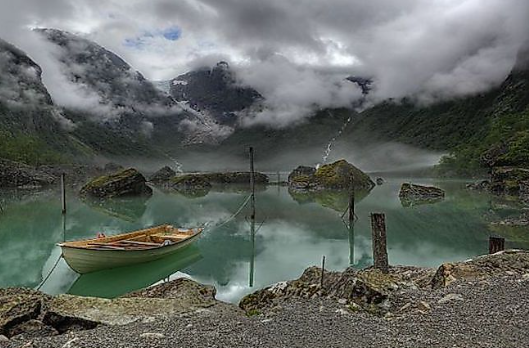
The Importance of National Parks in Norway
National parks are not just stunning landscapes; they are vital ecosystems and cultural heritage sanctuaries. In Norway, these protected areas offer breathtaking views and rich biodiversity, making them essential for both nature lovers and the environment. Understanding the importance of national parks in Norway can inspire appreciation and encourage conservation efforts.
Preserving Biodiversity
Norwegian national parks play a critical role in preserving biodiversity. These parks provide habitats for a wide variety of flora and fauna, some of which are unique to the region. By protecting these natural spaces, Norway helps maintain ecological balance and ecological stability. Furthermore, these parks are living laboratories for scientists and researchers, allowing them to study species in their natural environments and track their adaptations to a changing climate.
Promoting Sustainable Tourism
National parks in Norway are also significant for sustainable tourism. With stunning landscapes, hiking trails, and opportunities for wildlife watching, these parks attract tourists from around the world. By promoting responsible tourism, Norway can benefit economically while ensuring that these natural areas remain pristine. Visitors are encouraged to follow guidelines, such as sticking to marked paths and respecting wildlife, which helps mitigate human impact. This symbiotic relationship between tourism and conservation is crucial for preserving the natural beauty that draws people to Norway in the first place.
Cultural and Historical Significance
Beyond their natural beauty, Norway’s national parks also hold cultural and historical significance. Many parks are home to ancient trails, indigenous Sami traditions, and historical landmarks. For example, the Jotunheimen National Park features trails that have been used for centuries, connecting communities and cultures. Visitors not only experience breathtaking scenery but also gain insight into Norway’s rich history and connection to nature. Understanding this cultural aspect enhances appreciation for the parks, fostering a deeper respect for the land and its heritage.
In conclusion, Norway’s national parks are invaluable for biodiversity, sustainable tourism, and cultural heritage. They act as crucial ecosystems and important sites for education and recreation. Explore these national parks, appreciate their beauty, and consider how you can contribute to their preservation. Every small action counts in keeping these natural wonders alive for future generations!