
How Norway’s Geology Created Its Fjords
Norway’s breathtaking fjords are some of nature’s most stunning creations, attracting millions of visitors each year. Understanding the geology behind these remarkable formations not only deepens our appreciation of Norway’s landscapes but also highlights the powerful forces of nature that shape our world. This article explores the geological processes that resulted in these magnificent fjords.
The Ice Age and Glacial Erosion
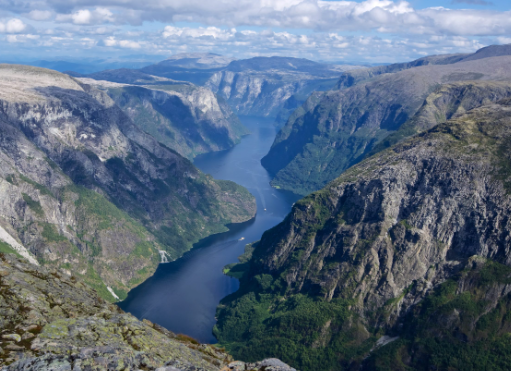
The formation of Norway’s fjords can be traced back to the last Ice Age, which occurred around 2.5 million years ago. Massive glaciers blanketed the region, carving deep valleys as they slowly moved and melted. This glacial erosion played a central role in shaping the fjords we see today, creating steep cliffs and deep basins along the coast. As the glaciers retreated, they left behind these U-shaped valleys that were later flooded by the sea, resulting in the dramatic fjords that draw so many to Norway.
Geological Composition and Tectonic Activity
Norway’s unique geology is another critical factor in the creation of its fjords. The country is primarily made up of ancient rock formations, including gneiss and granite, which are resistant to erosion. This resilience helps form the steep cliffs typical of fjord landscapes. Additionally, tectonic activity, including the movement of the Earth’s plates, contributed to the uplift of the Norwegian coastline, further enhancing the fjords’ characteristics. The interplay of these geological elements creates a stunning canvas of mountains and water that captivates visitors.
Climate and Weather Patterns
The climate of Norway has also had a significant influence on the fjords’ formation and appearance. The region experiences high levels of precipitation, especially in coastal areas, which supports ongoing erosion and ecosystem development. Rainwater and melting snow feed into the fjords, creating lush vegetation and supporting diverse marine life. Seasonal changes can enhance the beauty of the fjords, with winter snow caps contrasting against summer greenery, making each visit a unique experience.
In conclusion, the awe-inspiring fjords of Norway are a testament to the powerful geological forces at work in our world. From glacial erosion to tectonic uplift, these natural wonders remind us of the Earth’s dynamic history. If you’re inspired by Norway’s dramatic landscapes, consider exploring these fjords in person or learning more about earth science to gain a deeper understanding of the forces that shape our planet.