
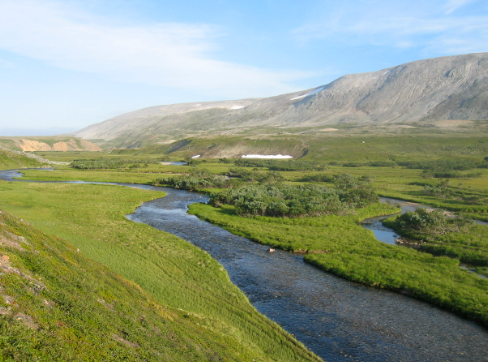
Understanding Norway’s Tundra Regions
Norway offers some of the most breathtaking landscapes in the world, particularly in its tundra regions. With unique ecosystems and stunning natural beauty, these areas not only host diverse wildlife but also serve as an important indicator of climate change. Understanding Norway’s tundra is crucial for both conservation efforts and appreciating our planet’s natural wonders.
Exploring the Unique Ecosystems of Tundra
Tundras are characterized by their cold, arid conditions and short growing seasons. In Norway, you’ll find these landscapes primarily in the northern regions, where temperatures can drop significantly. The vegetation here is sparse but resilient, consisting of low shrubs, mosses, and lichens. This ecosystem is surprisingly dynamic; while harsh, it harbors a variety of species including reindeer, arctic foxes, and numerous migratory birds that thrive despite the challenging conditions. Understanding these ecosystems can help us appreciate the delicate balance of life in such extreme environments.
The Role of Climate Change in Tundra Regions
Climate change poses a significant threat to tundra regions not just in Norway but globally. Rising temperatures are causing permafrost to thaw, which can lead to soil instability and increased greenhouse gas emissions. This thawing also affects local flora and fauna, altering migration patterns and disrupting food chains. By studying these changes, scientists can better predict the future impacts on northern ecosystems and mitigate some of the ongoing consequences. It’s a wake-up call for everyone to recognize the interconnectedness of our climate and the habitats that sustain life.
Cultural Significance of Norway’s Tundra
The tundra regions of Norway are not only significant from an ecological perspective but also hold cultural importance for indigenous communities like the Sámi people. Their traditional livelihoods, including reindeer herding, are closely tied to the rhythms of the tundra. Understanding this cultural aspect adds depth to our appreciation of these areas and highlights the importance of preserving not just the landscape, but also the cultures that depend on it. By engaging with these communities and learning their histories, we can foster a greater sense of responsibility toward preserving both their way of life and the fragile tundra ecosystems.
In conclusion, Norway’s tundra regions are a fascinating blend of ecological diversity, climate change challenges, and cultural significance. By taking the time to explore and understand these areas, you become a part of the larger conversation about conservation and respect for our planet. Whether you choose to visit, read more about it, or even get involved in conservation efforts, there’s always a way to contribute to the preservation of these incredible landscapes. So explore, learn, and become an advocate for Norway’s tundra!