
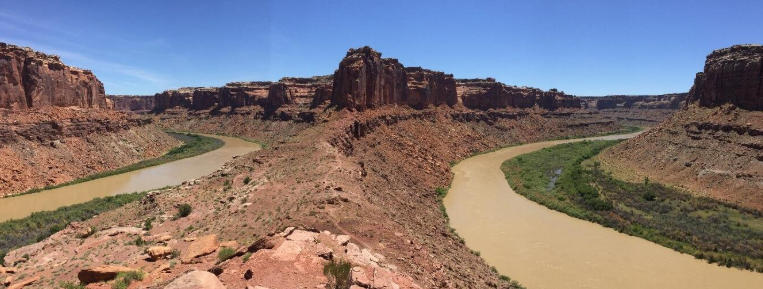
Canyonlands National Park in Utah is a natural wonder that showcases the incredible effects of wind and water erosion on the landscape. Understanding how these two forces shape the park can enrich your visit and deepen your appreciation for its stunning views. Let’s explore the remarkable ways in which wind and water have sculpted this unique terrain.
Wind Erosion: Carving Out the Canyons
Wind erosion plays a significant role in shaping the landscapes of Canyonlands. Over time, gusts of wind have stripped away loose sediment and smaller particles from the rock formations, creating dramatic cliffs and plateaus. The park’s high desert environment features powerful, persistent winds that carve intricate shapes into the rock, resulting in features like spires and pinnacles. Visitors can observe these formations, such as the iconic Mesa Arch, which has been artistically shaped by the relentless forces of nature.
Water Erosion: Shaping the Landscape
Water, whether from rain or snowmelt, has a transformative effect on Canyonlands’ geological features. The park’s canyons and valleys have developed through a combination of flash floods and slow, steady rainfall that wear away the rock over thousands of years. Rivers such as the Colorado and Green carved through layers of rock, creating deep canyons and unique formations like the Needles District’s colorful spires. As the water flows, it carries sediments with it, further sculpting the terrain and leading to new formations.
The interplay of water and rock produces stunning visuals, especially during sunrise and sunset when the light enhances the vibrant colors of the stone.
The Role of Weathering in Erosion
While wind and water are the primary forces behind erosion in Canyonlands, weathering plays a crucial supporting role. Physical weathering, such as freeze-thaw cycles, breaks down larger rocks into smaller pieces, making it easier for wind and water to carry them away. Chemical weathering also helps, altering the minerals in the rocks and making them more susceptible to erosion. Together, these processes create a landscape that continues to evolve, offering fresh sights to returning visitors. It’s a reminder of the ever-changing nature of our planet.
Canyonlands National Park is a fantastic example of how natural elements interact to create breathtaking landscapes. The unique landforms shaped by wind and water erosion not only provide stunning vistas but also serve as a testament to the power of nature. If you’re planning a visit or simply looking to learn more, consider exploring the park’s different regions to see firsthand the incredible results of these geological processes. Whether you’re hiking among the spires or gazing at the canyons, there’s no shortage of beauty to discover.