
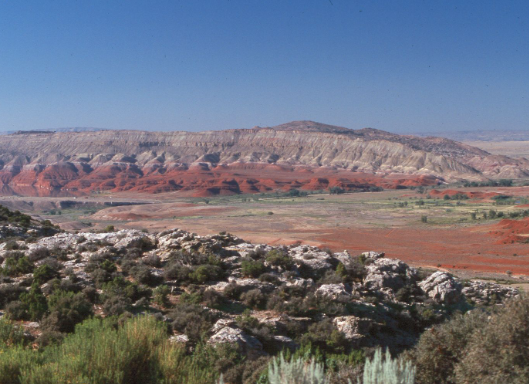
Understanding the Great Basin Desert
The Great Basin Desert is one of the most extensive and unique deserts in the United States, spanning parts of Nevada, Utah, and Oregon. Its intriguing landscape and diverse ecosystems make it a fascinating topic for those interested in geography, ecology, and outdoor adventure. Understanding the Great Basin Desert can enhance your appreciation of the natural world and inspire future explorations.
Geography and Climate
The Great Basin Desert covers over 190,000 square miles, making it the largest desert in the United States. It’s characterized by a series of mountain ranges separated by low valleys, giving it a distinct high desert environment. The climate is dry, with annual rainfall averaging around 7 to 12 inches, mostly occurring in the winter and early spring. Summer temperatures can soar above 100 degrees Fahrenheit, while winter nights can plunge to freezing, creating a unique temperature fluctuation. This variability in climate shapes the diverse habitats and wildlife found within the desert.
Flora and Fauna
Despite its arid conditions, the Great Basin Desert is teeming with life. It boasts an array of plant species, including sagebrush, juniper, and various grasses that have adapted to its challenging environment. The unique ecosystems support animals like the Great Basin rattlesnake, desert bighorn sheep, and numerous bird species. Many of these creatures are specially adapted to survive with minimal water and extreme temperatures. This biodiversity not only plays a crucial role in the desert’s ecology but also attracts nature lovers and outdoor enthusiasts eager to observe its wildlife.
Cultural and Historical Significance
The Great Basin Desert holds rich cultural and historical significance. For thousands of years, Indigenous peoples, such as the Paiute and Shoshone tribes, inhabited the area, utilizing its resources for their livelihoods. Today, remnants of ancient rock art and artifacts can be found throughout the desert, offering a glimpse into the past. The desert also plays a role in contemporary culture as a site for recreation and adventure. Activities like hiking, rock climbing, and stargazing draw visitors from around the world, all eager to experience the beauty and tranquility of this remarkable landscape.
In conclusion, the Great Basin Desert is a striking and diverse ecosystem with a wealth of natural and cultural history. Whether you’re interested in its unique geography, rich wildlife, or cultural heritage, there’s plenty to explore and discover. So why not plan a visit or dive deeper into learning about this extraordinary desert? The Great Basin awaits your exploration!