
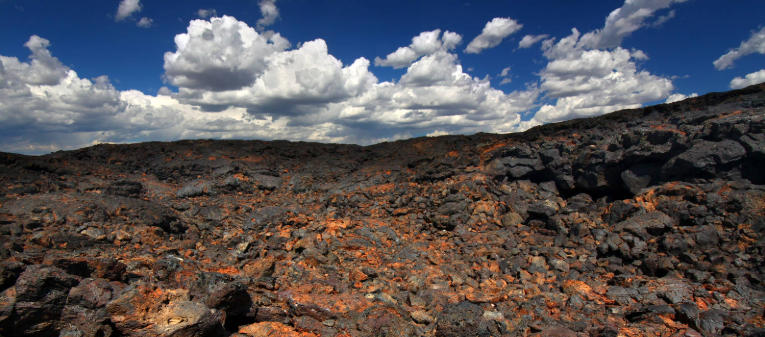
Craters of the Moon National Monument and Preserve in Idaho is a stunning landscape shaped by volcanic activity. Featuring an array of lava flows, cinder cones, and other unique geological formations, this area offers a fascinating glimpse into the Earth’s dynamic geological history. Exploring this volcanic wonderland is not just an adventure; it deepens our understanding of the natural world.
The Age of the Lava Flows
The most striking aspect of Craters of the Moon is its numerous lava flows, which date back as far as 15,000 years. These flows, primarily composed of basalt, originated from a series of volcanic eruptions that shaped the landscape we see today. Visitors can witness the unique textures and formations created by the cooling and solidifying lava, which create an otherworldly atmosphere. Walking along the trails, you can get up close to the different lava types, each telling a part of the story of the area’s volcanic past. This ancient geology is a reminder of how powerful natural forces can shape our environment over time.
Cinder Cones and Their Significance
Cinder cones are another defining feature of Craters of the Moon. These small, steep hills are formed from volcanic ash, cinders, and small rocks ejected during eruptions. Standing as natural monuments to volcanic processes, cinder cones offer a unique ecosystem that supports various plant and animal life. As you hike around these formations, you will notice the distinctive differences in vegetation at different elevations. These variations are not just visually appealing; they play a vital role in maintaining ecological balance. Exploring these cinder cones can help visitors appreciate the interplay between geology and biology in shaping the landscape.
The Impact of Volcanic Activity on Ecosystems
The volcanic history of Craters of the Moon has created a distinctive habitat that supports diverse wildlife and plant species. The soil in the area, enriched by volcanic ash, provides a unique growing medium, enabling some plants to flourish in an otherwise harsh environment. Species adapted to the volcanic soil often display resilience to extreme conditions. This interaction between geology and ecology makes Craters of the Moon a fascinating area for nature lovers and researchers alike. Observing the resilience of life amid this rugged landscape highlights the adaptability of nature.
Craters of the Moon is not just a destination; it’s an invitation to explore the Earth’s fiery past. Whether you’re hiking the lava trails or admiring the cinder cones, this national monument offers a unique opportunity to learn about volcanic processes and the ecosystems they create. For those eager to delve deeper into the wonders of geology and ecology, visiting Craters of the Moon is a rewarding experience that you won’t want to miss. So grab your hiking boots, and set off to discover this remarkable landscape!