
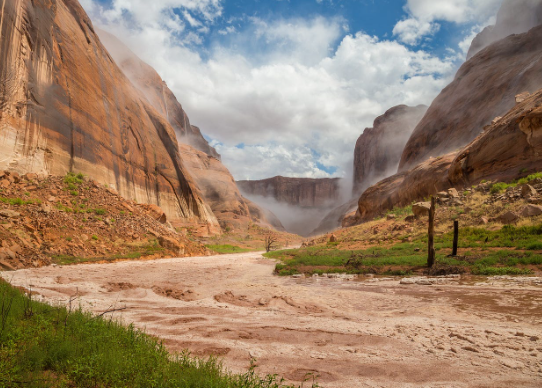
The Uplift of the Colorado Rockies
The Colorado Rockies, a jewel of the American West, are not just a stunning backdrop for outdoor adventures; they are also a testament to the incredible forces of nature that shaped them. Understanding the uplift of this majestic mountain range reveals not only its geological history but also its ongoing evolution. This article explores the geology behind the Rockies and provides insight into how these formations came to be.
The Geological History of the Rockies
The uplift of the Colorado Rockies began about 70 million years ago during a geological process known as the Laramide Orogeny. This dramatic event occurred when tectonic plates collided, forcing materials from the Earth’s crust upward. Unlike other mountain ranges formed by volcanic activity, the Rockies are primarily created from sedimentary rock that has been thrust skyward. This unique formation has resulted in a diverse landscape, with peaks made up of ancient marine deposits and sedimentary layers interspersed with metamorphic rocks, giving the Rockies their distinct character.
Factors Influencing Uplift
Several factors contribute to the ongoing uplift of the Colorado Rockies. One primary driver is the movement of tectonic plates beneath the Earth’s surface. As the North American plate continues to shift, it causes stress and strain on the surrounding areas, resulting in faulting and folding of the rock layers. Additionally, erosion plays a critical role. As wind, water, and ice wear down the mountains, they not only shape the peaks and valleys but also reduce the weight on the crust, allowing it to rebound and rise even further. This delicate balance between uplift and erosion has created the rugged terrain that attracts millions of visitors each year.
Environmental Implications
The uplift of the Colorado Rockies has significant environmental implications as well. The unique geological formations and ecosystems developed through uplift provide a variety of habitats for numerous plant and animal species. Higher elevations often feature distinct climates that support diverse flora and fauna. Furthermore, understanding the geology of the Rockies helps scientists predict natural events such as landslides and earthquakes, essential for ensuring the safety of those living in and around this breathtaking area. This knowledge underscores the importance of continued geological research in mountainous regions.
In conclusion, the uplift of the Colorado Rockies is an ongoing testament to the power of nature and the intricate processes that shape our planet. By studying this magnificent mountain range, we not only learn about our geological past but also gain insight into environmental conservation and safety. If you’re curious about the Rocky Mountains or want to delve deeper into their geological wonders, consider exploring local visitor centers or educational resources to enrich your understanding of this iconic landscape.